Ceiling design is often processed subconsciously by homebuyers, yet it shapes comfort, value perception, and emotional response within seconds of entry. The ceiling is not a background surface. It is a behavioral cue. When designed with intent, it quietly signals quality, climate intelligence, and long-term livability. When ignored, it creates friction that buyers cannot always explain, but instinctively feel.
Homebuyers rarely look up on purpose. They react instead. A room feels expansive or compressed. Calm or restless. Premium or provisional. Much of that reaction is driven by the ceiling.
In residential real estate, especially at the mid to premium end, ceilings are one of the last remaining surfaces where perception can be elevated without structural overhaul. Developers who understand this treat ceilings as experiential infrastructure rather than decorative afterthoughts.
The ceiling is a psychological anchor, not a design layer
Walls define boundaries. Floors’ ground movement. Ceilings influence mood.
A low, visually heavy ceiling encourages caution. A well-balanced ceiling invites pause and presence. Buyers may not articulate the difference, but it affects how long they linger in a room and how confidently they imagine living there.
This is where the Impact of ceiling design on homebuyers becomes tangible. A ceiling that integrates airflow, proportion, and visual rhythm communicates thoughtfulness. It suggests that the developer considered daily life, not just handover aesthetics.
Ceilings that feel intentional reduce cognitive load. Buyers stop evaluating and start imagining.
Airflow decisions influence trust, not just comfort
In warm and mixed climates, airflow is a proxy for honesty. Buyers instinctively assess whether a home will be comfortable without excessive mechanical dependence.
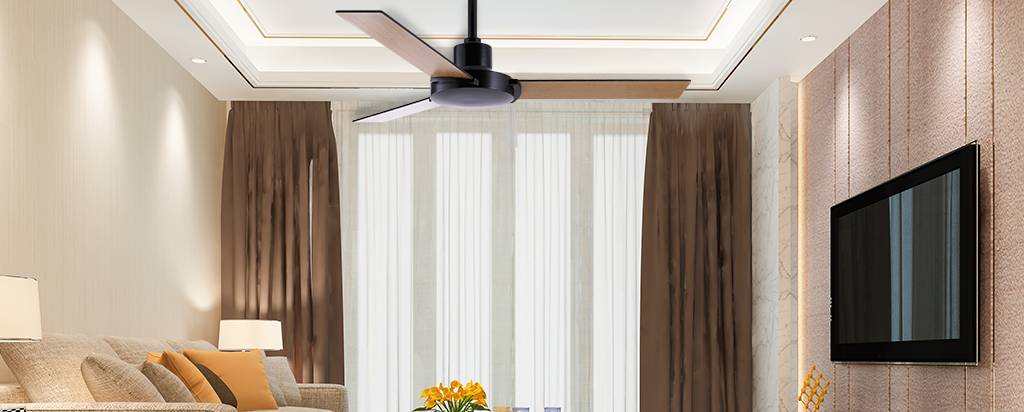
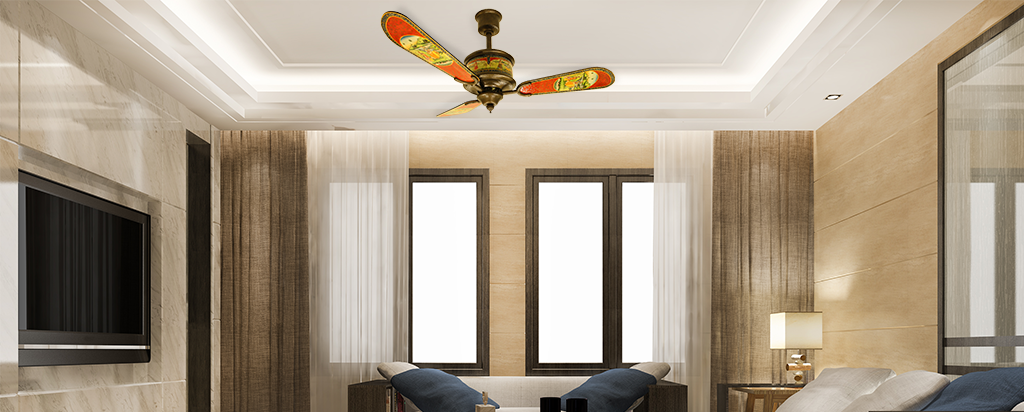
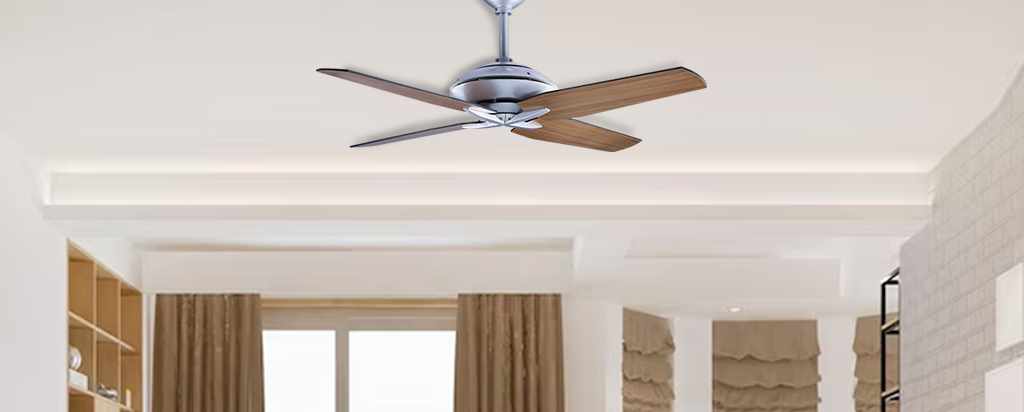
A Ceiling Fan is rarely judged as an appliance alone. Its placement, scale, and integration with ceiling geometry tell a deeper story. Poor alignment suggests retrofitting. Clean alignment suggests foresight.
When airflow solutions appear planned rather than added, buyers assign higher credibility to the entire build. This is one reason enhancing homebuyer experience with ceiling design consistently correlates with smoother decision-making at site visits.
The ceiling becomes proof of competence.
Modern ceilings signal future readiness
Today’s buyers are not just purchasing space. They are purchasing relevance.
Subtle ceiling planes, layered lighting pockets, and material restraint define Modern ceiling styles for residential properties far more than ornate detailing ever did. Flat does not mean flat visually. It means controlled.
Buyers respond positively to ceilings that feel adaptable. Neutral palettes. Proportions that allow upgrades. Layouts that do not lock them into a dated aesthetic.
For developers, this approach reduces post-purchase regret. For buyers, it creates confidence that the home will age well.
This is where Real estate interior trends and ceiling design intersect with long-term satisfaction rather than short-term novelty.
Luxury is restraint, not excess
In premium projects, ceilings often become victims of ambition. Too many elements. Too many finishes. Too much explanation.
True luxury home ceiling trends move in the opposite direction. Fewer materials. Cleaner transitions. Precision over ornamentation.
Buyers at this level associate quiet ceilings with engineering confidence. They read simplicity as intentional, not economical.
A restrained ceiling allows furnishings, light, and airflow to perform without competition. It communicates that the home was designed to be lived in, not displayed.
Ceiling fans as design signals, not utilities
In many developments, ceiling fans are treated as checklist items. Installed late. Selected quickly. Positioned generically.
This is a missed opportunity.
A thoughtfully chosen Ceiling Fan reinforces ceiling symmetry and room proportion. It becomes a visual anchor rather than a visual interruption. Buyers read this as coherence.
When the fan aligns with ceiling height, lighting strategy, and room function, it reinforces the feeling that nothing was left to chance.
This directly affects how ceiling aesthetics affect buyer perception, especially during walk-throughs, where first impressions form rapidly.
Developer intent becomes visible through ceilings
Buyers often struggle to judge construction quality before possession. Ceilings help bridge that gap.
Straight lines, consistent finishes, and well-integrated fixtures signal discipline. Inconsistencies create doubt.
For real estate leaders, Interior design for real estate developers is not about style leadership. It is about reducing uncertainty at the decision stage.
Ceilings that demonstrate consistency across units build trust at scale. They suggest process maturity rather than one-off excellence.
Design choices that quietly improve sales conversations
Sales teams frequently report that buyers spend more time discussing rooms that feel comfortable. Comfort is not always about furniture. It is often about spatial balance.
Ceiling choices that support airflow, light diffusion, and acoustic softness reduce objections that might otherwise surface later. Heat. Noise. Maintenance.
This is where Residential ceiling design tips for luxury homes matter less as tips and more as strategic decisions. When ceilings do their job, sales conversations shift from concerns to customization.
Where The Fan Studio fits naturally into the equation
When discussing ceilings, airflow cannot be separated from design. This is where your role becomes visible without being promotional.
Your approach emphasizes ceiling fans as architectural components rather than accessories. Your team understands proportion, blade geometry, and finish compatibility within residential ceilings.
Instead of treating fans as add-ons, you integrate them into ceiling intent. That alignment supports developers who want their ceiling strategy to feel deliberate, not patched together.
The Fan Studio does not compete with ceiling design. You reinforce it.
Direct questions buyers and developers actually ask
Does ceiling design really affect buying decisions?
Yes. Buyers may not verbalize it, but ceilings influence comfort perception and spatial confidence almost immediately.
Why is airflow planning part of ceiling design?
Because airflow affects livability. Visible planning signals that comfort was considered early, not retrofitted later.
Are modern ceilings better for resale value?
Generally yes. Neutral, adaptable ceilings age better and reduce the risk of aesthetic fatigue.
How do ceiling fans impact luxury perception?
When integrated well, they reinforce functionality without diluting elegance. Poor integration does the opposite.
Should every room have the same ceiling treatment?
Consistency matters, but purpose matters more. Bedrooms, living areas, and transitional spaces benefit from different ceiling decisions.
Can ceiling design reduce buyer objections?
Absolutely. Good ceilings preempt concerns around heat, noise, and maintenance before they are voiced.
Check Out More Blogs →
Best Living Room Fan Designs for Stylish Indian & Dubai Homes
Elevate Your Home with Luxury Ceiling Fans – The Perfect Blend of Style & Comfort