When guests walk into a resort during peak summer, the first thing they feel is the ambience. Not the furniture, or the décor, or anything else.
If the space feels heavy or still, the ambience changes instantly. Suddenly, open lounges become uncomfortable, poolside cafés empty faster than expected, and even beautifully designed spaces lose their charm when the environment feels off.
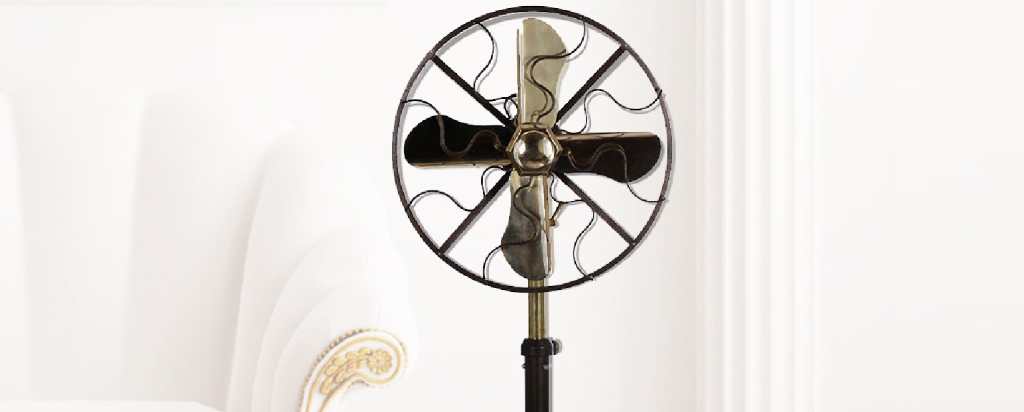
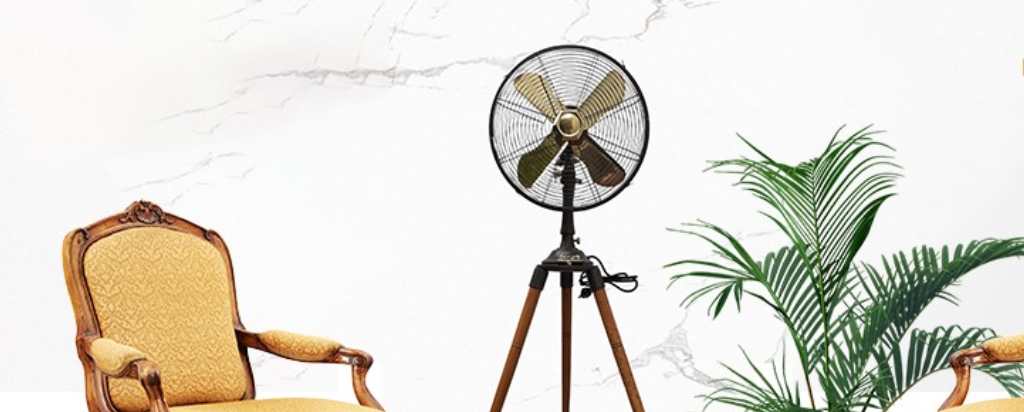
This is why thoughtful resorts quietly engineer airflow into their design. Elements like the Tripod Pedestal Fan are increasingly becoming popular as equipment, but as part of the visual language of hospitality spaces.
Keeping guests comfortable while preserving the atmosphere that makes the place memorable is their simple goal.
Lounge Areas With Natural Breezy
Large resort lounges often rely on open architecture. High ceilings, wide seating arrangements, and long windows create a sense of openness. But openness alone does not guarantee comfort or trust.
Air in the atmosphere and space needs movement. A tripod standing fan positioned near seating clusters can really circulate air across the space without disrupting the visual beauty of the room. Guests rarely notice the equipment, but what they notice is how comfortable the lounge feels, which automatically sets the whole perspective of being in a nice place.
This Cooling Fan Can Become Part of the Room
Designers spend enormous effort selecting lighting, fabrics, and furniture. Cooling equipment rarely receives the same attention. Yet it sits right in the middle of the space.
A carefully chosen designer pedestal fan can act almost like a sculptural object beside a lounge chair or reading nook. In hospitality interiors, details like this quietly elevate the overall experience. Guests may not analyze it consciously, but they simply feel that the space has a character that might match their vibe.
Bringing Vintage Character into Modern Resorts
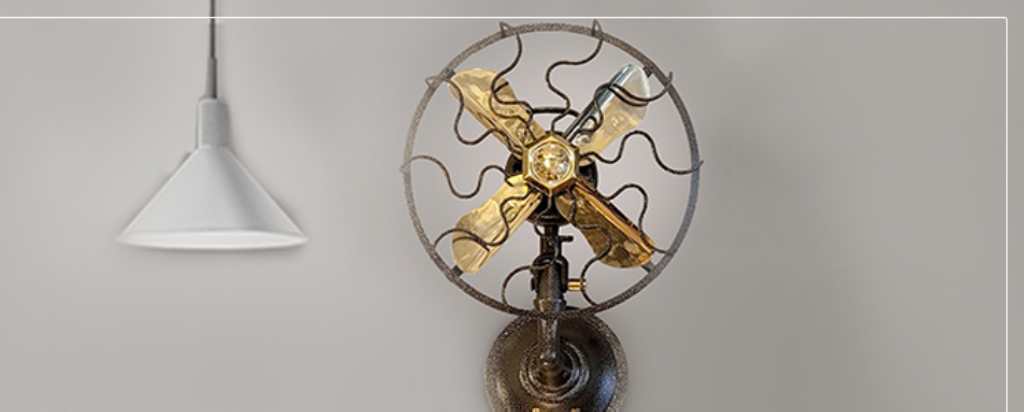
Many boutique resorts now mix contemporary architecture with nostalgic details to directly hit emotions. Weathered wood, antique finishes, and textured materials that bring warmth into the environment are a green signal, and a vintage tripod fan fits naturally into this aesthetic.
Instead of just looking like a modern appliance, this fan feels like an intentional design piece. Heritage resorts and mountain retreats often use these fans to maintain airflow while keeping the mood of the space. This makes it functionally useful & visually appealing.
Making Outdoor Dining Comfortable
Outdoor dining is one of the highlights of resort living. It is also one of the hardest spaces to decorate and keep cool
Sun exposure, unpredictable winds, and reflective surfaces create uncomfortable heat pockets; for this kind of spaces ceiling fans are not always practical.
Here, a metal tripod floor fan enters the conversation, offering a flexible solution. It can be repositioned easily depending on seating arrangements or the direction of the breeze.
Really helpful for restaurants and terrace cafés that benefit from this adaptability. Not surprised!
Large Lobbies Need Layered Airflow
Resort lobbies are mostly the most dramatic spaces that have double-height ceilings, wide entry areas, and open walkways that create impressive visual scale, but what about the luxury aesthetics? Unfortunately, they also trap warm air, which is not a good sign for such bright spaces.
This is where layered airflow becomes useful; ceiling fans move air vertically, while an industrial tripod fan distributes it across seating areas. The effect is so subtle that you don’t even notice it, but if not placed correctly, you may feel the disturbance and irritation. The space remains airy without feeling artificially cooled.
Pinteresty Corners and Quiet Reading Spaces
Modern hospitality design often includes small corners where guests can relax, read, or take photos. These spaces need a subtle airflow too, especially in warmer climates.
A retro standing fan beside a leather chair or wooden bench adds movement to the space while reinforcing the visual story of the room. Sometimes the smallest details end up defining the whole atmosphere.
Poolside Areas That Stay Comfortable
Pool decks are so fresh & beautiful, yet challenging environments. Direct sunlight and reflective water surfaces intensify the heat in the nearby environment, which makes the space a little uncomfortable and uneasy. Shaded seating areas help, but the airflow still matters in such cases.
A decorative pedestal fan placed near lounge seating can move air gently across the area. Guests feel a soft breeze rather than a mechanical blast of air.
Choosing Materials That Complement Cooling Elements
Fans should not look like foreign objects inside a carefully designed resort.
Metal finishes pair well with exposed brick or contemporary interiors. Wood elements blend better with tropical and natural design themes.
A well-designed luxury tripod fan integrates into the environment rather than competing with it. When done right, guests hardly think about the equipment at all.
Designer Fans That Work Beautifully in Hospitality Spaces
Several pieces from The Fan Studio illustrate how airflow can merge with design.
Polestar is built for performance but carries a refined presence. Its metal blades and structured form make it suitable for lounges and creative spaces where strong airflow is needed without visual clutter.
The Tripod Pedestal fan takes a more architectural approach. The wooden tripod base gives it a distinctive silhouette that works particularly well in hotel lobbies and reception areas.
Pedestal Wooden leans into natural warmth. The wooden pedestal introduces texture into the space while quietly delivering efficient cooling.
Pedestal Metal offers versatility through its finishes. Whether matte black or antique bronze, it adapts comfortably to modern or heritage interiors.
Hana Air Circulator focuses on quiet sophistication. Its gentle airflow and classic detailing make it ideal for boutique hospitality spaces where ambience is everything.
Comfort That Feels Effortless
The best resorts rarely make cooling systems obvious. Instead, they design spaces where comfort simply exists in the background.
Air moves naturally. Guests linger longer in lounges. Dining spaces remain pleasant even during warm afternoons.
Thoughtful elements like the Tripod Pedestal Fan help create that environment. They combine airflow, design, and flexibility in ways traditional systems often cannot.
For hospitality spaces, that balance makes all the difference.
Questions People Often Ask
Where does a tripod pedestal fan work best in a resort?
A Tripod Pedestal Fan works well in lounges, reading areas, cafés, and poolside seating where gentle air movement improves guest comfort.
Is a tripod standing fan practical for hospitality spaces?
Yes. A tripod standing fan is easy to reposition and works well in semi-open areas where ceiling fans or air conditioning may not be effective.
Why do designers prefer vintage-style fans in resorts?
A vintage tripod fan blends with heritage interiors while still providing modern airflow, making it ideal for boutique hotels and resorts.
Are decorative pedestal fans only for aesthetics?
No. A decorative pedestal fan improves air circulation while contributing to the visual character of the space.
What makes a luxury tripod fan different?
A luxury tripod fan combines refined materials, quiet performance, and strong airflow, making it suitable for premium hospitality environments.