Designers often talk about walls, lighting, and furniture, but the ceiling actually completes the room. When the ceiling feels balanced, the entire space feels calmer and more finished.
A ceiling fan can play a surprisingly important role in that balance. It adds movement, improves airflow, and if chosen well, it can also contribute to the visual character of the room.
This is why Fancy Ceiling Fans are becoming more visible in thoughtfully designed homes. Designers are no longer trying to hide them. Instead, they choose fans that work with the interior rather than against it.
Today’s luxury ceiling fans combine engineering with craftsmanship. The result is a fixture that provides comfort while still supporting the design language of the space.
For architects, interior designers, and homeowners building refined interiors, the right ceiling fan is no longer an afterthought. It becomes another design decision.
What Are Fancy Ceiling Fans?
In simple terms, Fancy Ceiling Fans are ceiling fans designed with visual appeal in mind. While traditional fans focus mainly on airflow, fancy fans place equal importance on design.
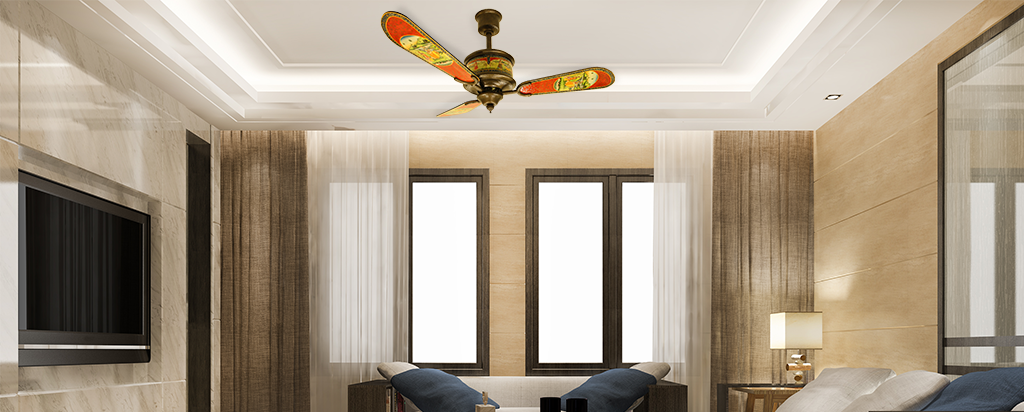
They may include decorative finishes, distinctive blade shapes, or handcrafted surfaces. Some fans feature painted artwork or ornamental detailing that turns the fan into a design element rather than a purely mechanical device.
Because of this attention to aesthetics, these fans often appear in carefully designed homes, luxury apartments, and boutique hospitality spaces.
Many designers now see high-end ceiling fans as part of the room’s overall decor.
Why They Are Trending in Interior Design
Several design trends have helped bring ceiling fans back into focus. One of the most important things is getting interested in functional designs. Designers mostly prefer objects that serve a purpose while contributing to the look of the space.
Another factor is technology. Modern motors are quieter and more efficient than before, which automatically allows modern designer ceiling fans to maintain sleek proportions without sacrificing their performance over the years.
Homeowners appreciate the comfort that fans provide, especially in summer, when just a breeze can make a room feel more relaxed and breathable.
Because of these improvements, luxury ceiling fans now appear in spaces where designers once avoided them.
Popular Materials and Craft Techniques
Materials strongly influence how a ceiling fan interacts with the rest of the interior.
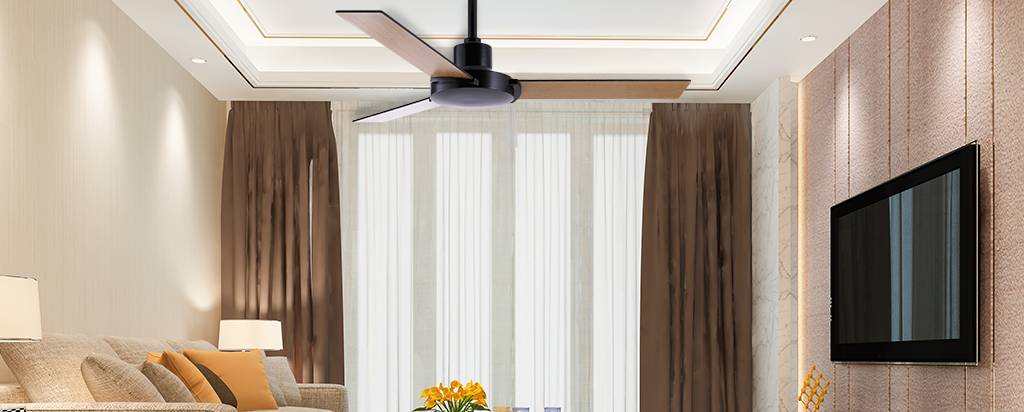
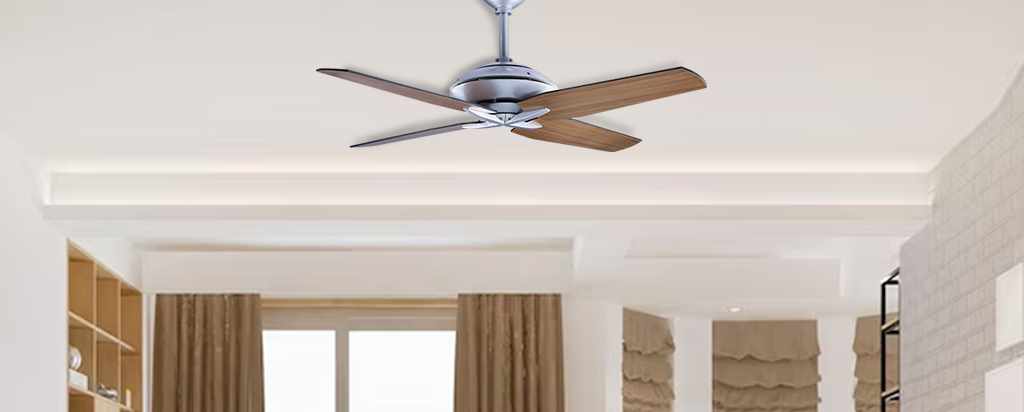
Wood is one of the most popular options. Wooden blades introduce warmth and texture that work beautifully in modern homes. They soften minimal interiors and complement natural design elements.
Metal finishes bring a different mood. Brass, matte black, or brushed metallic surfaces add a refined look that pairs well with contemporary lighting fixtures.
Craft techniques can also make a big difference; hand-painted finishes, carved details, or decorative motifs can turn artistic ceiling fans into small pieces of craftsmanship and a love for art.
Designers who appreciate handcrafted detail often explore collections from The Fan Studio, where traditional artistry meets modern functionality.
Design Styles: Modern, Rustic, and Vintage
One reason stylish ceiling fan designs have become popular again is their versatility. Different styles let designers match fans with a wide range of interiors and themes.
Modern interiors usually benefit from fans with clean lines and balanced proportions. These modern designer ceiling fans emphasize simplicity and quiet elegance.
Rustic interiors tend to favor fans with wooden blades or textured finishes. These materials complement exposed beams, stone walls, and natural surfaces.
Vintage-inspired fans introduce another character altogether. Decorative patterns and antique finishes create a nostalgic feel that works well in heritage homes or eclectic interiors.
Because of these options, contemporary ceiling fans can adapt to many different design environments.
How to Choose ‘The One’ Ceiling Fan
Choosing the right fan requires more than selecting a design that just looks attractive.
The size of the room should always be considered first in this process. Larger rooms require fans with wider blade spans to circulate air effectively and effortlessly.
Ceiling height also matters the most because rooms with higher ceilings can accommodate larger fixtures, while smaller spaces often benefit from fans with more compact proportions.
Lighting requirements are another factor that should be considered as well. In many homes, a decorative ceiling fan with lights can provide airflow and illumination.
Ultimately, the goal is to choose a fan that supports both the comfort and the visual harmony of the room.
Best Rooms to Install Designer Ceiling Fans
Ceiling fans were once limited to bedrooms or utility spaces. Today, they appear in many areas of the home.
Living rooms are one of the most common locations for luxury ceiling fans, particularly in open-plan homes where airflow helps maintain comfort.
Bedrooms benefit from fans because the gentle movement of air can make sleeping environments more comfortable.
Outdoor lounges, covered patios, and large dining spaces also frequently feature high-end ceiling fans, especially in warm climates where airflow improves the atmosphere.
With thoughtful design, a fan can complement almost any room.
Here Is Why Handcrafted Fans Are Worth the Investment
Handcrafted design often brings a level of character that mass-produced fixtures cannot match.
Hand-painted surfaces, detailed patterns, and carefully finished materials give Fancy Ceiling Fans a distinctive presence. Each piece feels slightly different, which adds authenticity to the interior.
For designers and homeowners who appreciate craftsmanship, these details can transform a simple ceiling fixture into a meaningful design element.
The Fan Studio creates fans that combine decorative artistry with modern engineering. The result is a product that delivers both comfort and visual value.
In spaces where every detail matters, that combination can make a noticeable difference.
Questions Designers Often Ask
What makes a ceiling fan “fancy”?
Fancy Ceiling Fans combine airflow performance with decorative design, premium materials, and distinctive finishes.
Do modern homes still use ceiling fans?
Yes. Many architects specify modern designer ceiling fans because they provide comfort while fitting clean architectural styles.
Are ceiling fans suitable for luxury interiors?
When chosen carefully, luxury ceiling fans can enhance the ceiling and complement the overall design of the room.
Can a fan provide lighting as well?
A decorative ceiling fan with lights can offer both airflow and ambient lighting in one fixture.
Where are premium ceiling fans most commonly installed?
Many designers use premium ceiling fans India in villas, luxury apartments, and designer homes.
Read More Related Blogs →
The Role of Designer Ceiling Fans in Interior Design
Antique Table Fan vs Designer Ceiling Fan:What’s the Difference?