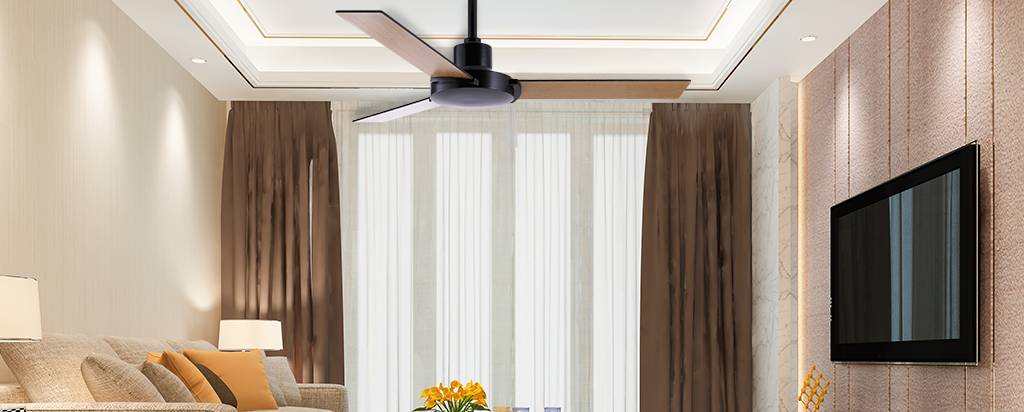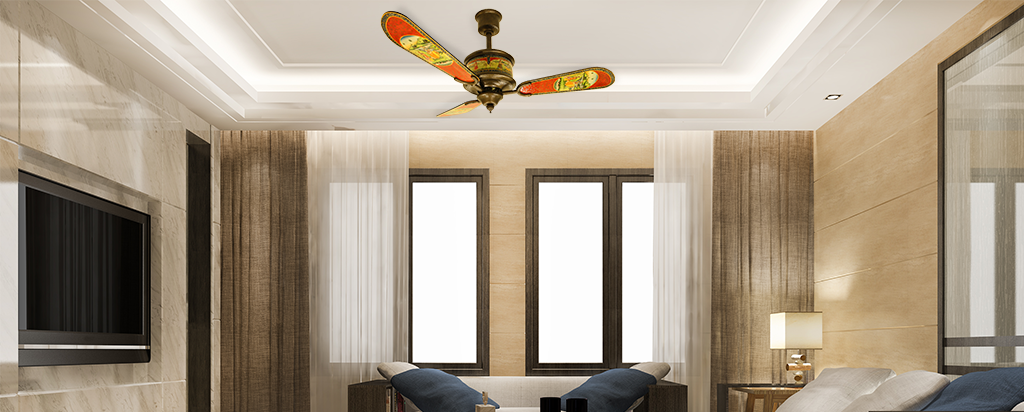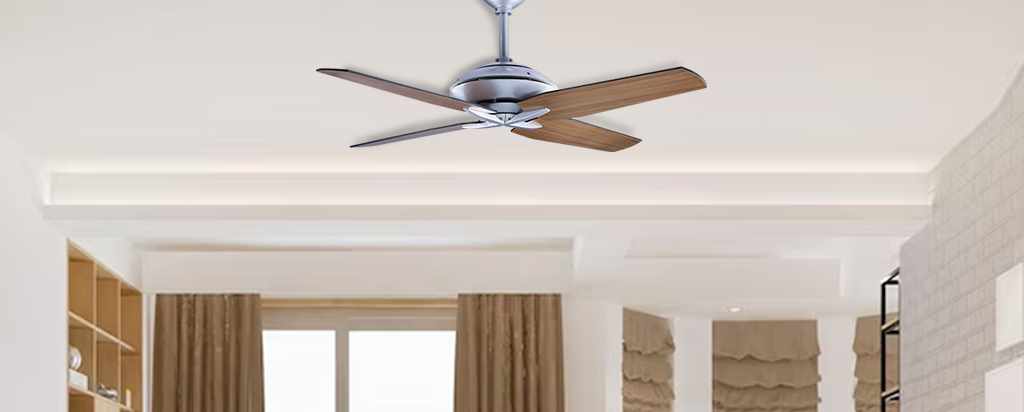
Walk into a luxury villa, premium restaurant, or high-end resort, and the first thing you notice is not always the furniture or décor. It is the feeling of the space.
Some interiors instantly feel calm, open, and welcoming. Others may look expensive but still feel uncomfortable after a few minutes. The difference often comes down to three overlooked design elements: ceiling height, lighting, and airflow.
For architects, designers, and premium homeowners, these elements are not just technical decisions. They directly influence how people think, behave, and experience a space.
At The Fan Studio, this balance between comfort and visual harmony is visible across luxury hospitality and residential projects, where premium ceiling fans become part of the design language instead of looking like an afterthought.
Why Ceiling Height Changes Human Perception
Ceiling height has a strong psychological impact on how people respond to interiors.
High ceilings often create a sense of freedom, openness, and luxury. This is why premium hotels, luxury villas, and fine-dining spaces frequently use double-height or expansive ceilings. People naturally associate larger vertical spaces with comfort and exclusivity.
But there is also a practical challenge.
Large spaces can feel cold, disconnected, or uncomfortable if airflow is poorly managed. Air tends to rise, leaving the occupied zone warmer and less comfortable. Without proper circulation, even the most beautiful interior can feel tiring over time.
This is where modern luxury ceiling fans become essential.
Instead of treating fans as purely functional products, designers now use them as architectural elements that improve airflow while maintaining visual balance.
At Raaya By Atmosphere in the Maldives, open and airy spaces are designed to create a relaxed tropical experience. In such high-ceiling environments, airflow is critical for guest comfort. Carefully selected ceiling fans help maintain cooling comfort naturally while complementing the resort’s premium aesthetic.
Lighting and Mood: The Invisible Design Tool
Lighting affects emotional response more than most homeowners realize.
Warm lighting creates relaxation and intimacy. Natural daylight improves energy and mood. Layered lighting helps people feel comfortable during different times of the day.
In premium homes, lighting works best when paired with thoughtful ceiling planning.
A tall ceiling with poor lighting can feel empty or harsh. On the other hand, balanced lighting combined with controlled airflow creates a softer and more welcoming atmosphere.
Designers today focus on how light moves through the room, reflects from surfaces, and interacts with air movement.
For example, at Ministry Of Crab in Mumbai, spatial comfort plays an important role in the overall dining experience. Guests stay longer and feel more relaxed when lighting and airflow work together instead of competing with each other.
This is particularly important in luxury hospitality, where customer comfort directly influences experience, reviews, and repeat visits.
Why Airflow Matters More in Luxury Spaces
Many premium homes focus heavily on aesthetics but underestimate airflow planning.
Airflow is not just about temperature. It affects how fresh, breathable, and comfortable a room feels.
Poor airflow can make large rooms feel heavy and uncomfortable, especially in tropical climates or coastal regions.
This is one reason architects and interior designers increasingly prioritize designer fans in luxury projects.
Modern premium ceiling fans offer:
- Better air circulation for large spaces
- Quiet performance for peaceful interiors
- Energy efficiency compared to excessive air conditioning
- Design compatibility with luxury interiors
- Comfort without visual clutter
At The Fan Studio, fans are often selected not only for performance but also for how they integrate into the architecture.
In projects like the Goan Portuguese Villa in Goa, the challenge is preserving heritage aesthetics while ensuring modern comfort. Traditional-style interiors with high ceilings require airflow solutions that feel elegant, subtle, and architecturally aligned.
The result is a space that feels naturally cool, visually balanced, and emotionally comfortable.
The Connection Between Comfort and Human Behavior
People behave differently depending on how a space makes them feel.
Research in environmental psychology shows that open, comfortable spaces can encourage relaxation, longer conversations, creativity, and social interaction.
This is why luxury resorts, premium restaurants, and designer homes carefully shape environmental comfort.
When ceiling height, lighting, and airflow work together:
- Guests stay comfortable longer
- Homeowners feel more relaxed
- Spaces feel visually larger
- Interiors appear more premium
- Heat and humidity feel less overwhelming
A well-designed environment quietly influences mood without people consciously noticing it.
What Architects and Designers Should Prioritize
For modern premium interiors, visual beauty alone is no longer enough.
Architects and interior designers now need to think about sensory comfort as part of the design process.
That includes:
1. Planning airflow early
Do not treat airflow as a final-stage mechanical decision. Consider fan placement, ceiling height, and room proportions during concept planning.
2. Choosing fans that suit the architecture
Bulky or poorly designed fans can disrupt luxury interiors. Premium designer fans should complement materials, lighting, and ceiling geometry.
3. Balancing natural and artificial cooling
Efficient airflow reduces dependence on constant air conditioning while improving comfort naturally.
4. Designing for emotional comfort
People remember how spaces feel more than how they look.
This is why luxury hospitality brands and premium homeowners increasingly invest in integrated comfort solutions rather than standalone decorative elements.
Final Thoughts
Luxury today is not only about expensive materials or oversized spaces.
People remember how a space makes them feel. A home can look visually stunning in photographs but still feel uncomfortable in real life if the environment is not thoughtfully designed.
That is why ceiling height, lighting, and airflow matter far more than many people realize.
A high ceiling creates openness and visual freedom. Lighting changes emotional response throughout the day. Airflow quietly controls physical comfort without demanding attention.
When these elements work together, people naturally feel relaxed, refreshed, and more connected to the space around them.
This is exactly why luxury hospitality brands and premium homeowners are paying closer attention to airflow planning and ceiling design instead of treating them as secondary decisions.
Projects like Raaya By Atmosphere Maldives, Ministry Of Crab Mumbai, and the Goan Portuguese Villa Goa show how thoughtful comfort design can completely change spatial experience. In each of these environments, airflow is not added later as a technical requirement. It becomes part of the architecture itself.
At The Fan Studio, the focus goes beyond simply installing cooling products. The goal is to help architects and designers create spaces that feel naturally comfortable while still looking refined and premium.
Because in luxury design, comfort is not a small detail.
It is the experience people remember.
FAQs
Why are high ceilings popular in luxury homes?
High ceilings create a feeling of openness, freedom, and sophistication. They also allow more natural light and improve the overall visual scale of the interior.
Do high ceilings affect room temperature?
Yes. Warm air naturally rises, which can make large rooms feel warmer or poorly balanced without proper airflow planning.
Why are ceiling fans important in premium interiors?
Modern luxury ceiling fans improve air circulation, increase comfort, reduce dependency on excessive air conditioning, and add visual balance to high-ceiling spaces.
How do lighting and airflow work together in interior design?
Lighting affects mood, while airflow affects physical comfort. When both are balanced correctly, interiors feel more relaxing, breathable, and welcoming.
What should architects consider when designing high-ceiling homes?
Architects should plan airflow, lighting placement, ceiling proportions, and fan positioning early in the design stage to avoid discomfort later.
Why do luxury hotels use designer ceiling fans?
Luxury hotels prioritize guest comfort and aesthetics together. Designer fans help maintain airflow without disturbing the visual identity of the space.
How does The Fan Studio support premium interior projects?
The Fan Studio works closely with architects, interior designers, luxury villas, restaurants, and hospitality spaces to provide airflow solutions that combine performance with premium aesthetics.