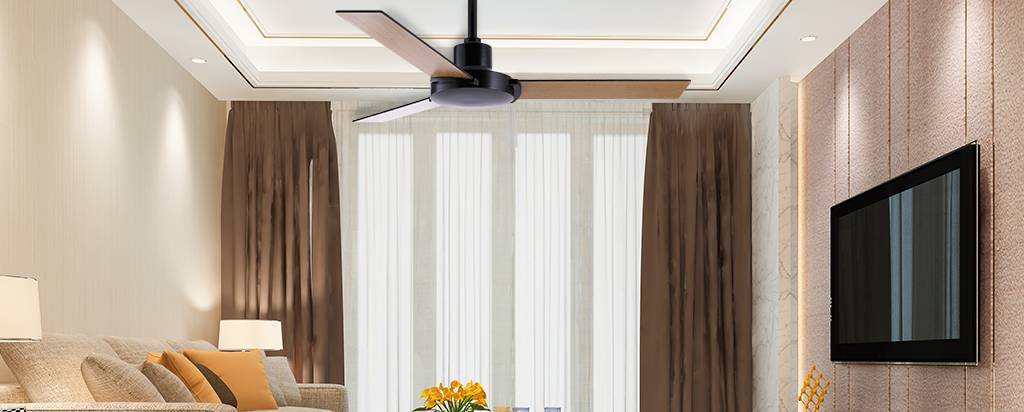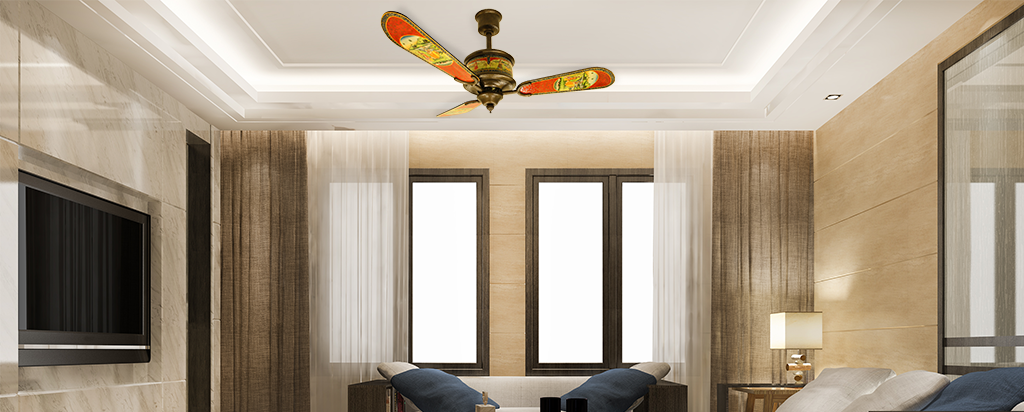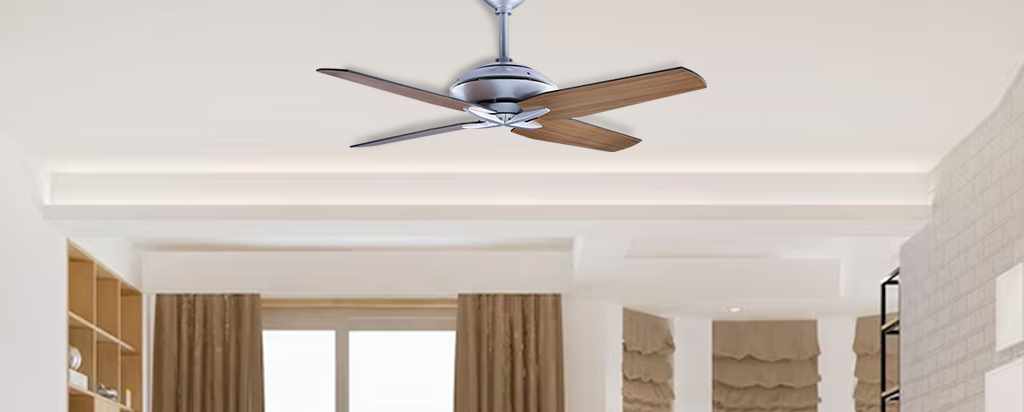
Designer Ceiling Fan Price in India: What You Really Pay in 2026
A ceiling fan is one of those things you rarely think about until you need one. You switch it on, feel the breeze, and get on with your day. Simple.
But when you start looking at designer ceiling fans, things get a little more interesting. Suddenly, there are wooden blades, sculptural designs, premium finishes, energy-efficient motors, remote controls, and fans that look as though they belong in an interior design magazine.
And then comes the obvious question: Why does one ceiling fan cost a few thousand rupees while another can cost several times more?
If you’re researching the designer ceiling fan price in India, the answer goes beyond appearance. The price depends on the motor, materials, blade design, energy efficiency, features, finish, and the overall quality of construction. Your room’s requirements and the kind of experience you expect from the fan also matter.
In this guide, we’ll break down the luxury ceiling fan cost in India in 2026, explain what makes designer fans expensive, compare the features that influence pricing, and help you decide whether investing in a premium ceiling fan makes sense for your home.
Because a fan should do more than look good in a photograph. It should feel right in your everyday life, too.
How Much Does a Designer Ceiling Fan Cost in India in 2026?
The price of a designer ceiling fan varies considerably depending on its construction, technology, brand, and design. There isn’t one fixed price for every premium fan, and the most expensive option isn’t automatically the best one for your room.
As a broad shopping guide, the following indicative ranges can help you understand the market. These are approximate category-level estimates, not verified live prices or quotations for individual products.
Ceiling fan category | Indicative price range | What to expect |
Basic ceiling fans | ₹1,500–₹3,000 | Functional designs with essential features |
Mid-range and modern fans | ₹3,000–₹7,000 | Contemporary styling, improved finishes and varied motor options |
Premium designer ceiling fans | ₹7,000–₹15,000 | Distinctive designs, better finish options and more advanced features |
Luxury and statement ceiling fans | ₹15,000–₹30,000+ | Premium materials, distinctive blade designs, refined finishes and specialised features |
Note: These are indicative market ranges for 2026 planning purposes, not a verified price survey. Actual prices vary by brand, model, size, technology, and availability. Specialised or imported models may cost more.
The important distinction is that designer ceiling fan price in India is not determined by appearance alone. Two fans may look equally attractive online but differ significantly in motor technology, airflow performance, materials, warranty, and long-term running costs.
If you’re exploring options, start with The Fan Studio’s product collection to compare available designs and features. You can also browse the modern fans collection to see how contemporary ceiling fans can complement different interior styles.
The goal is not to find the cheapest fan that looks premium. It is to find one that delivers the right balance of design, comfort, performance, and value.
1. What Actually Determines the Price of a Designer Ceiling Fan?
Two ceiling fans can have a similar shape and size yet carry very different price tags. Why? Because what goes into making a fan matters just as much as what you see on the outside.
Let’s look at the biggest factors that influence the luxury ceiling fan cost.
Motor technology: The heart of the fan
The motor is one of the most important components of a ceiling fan. It affects energy consumption, operating noise, performance, and overall usability.
Traditional induction motors are commonly found in conventional ceiling fans. Many premium models, on the other hand, feature BLDC (Brushless Direct Current) motors, which are designed to consume less electricity than comparable conventional motors under suitable operating conditions.
BLDC fans can also offer features such as multiple speed settings, remote control, and quieter operation, depending on the model.
However, a BLDC motor alone doesn’t make a fan luxurious. Its real value lies in how well it performs alongside the fan’s blade design, airflow engineering, and overall construction.
If energy efficiency is a priority, our guide to BLDC vs. normal fans can help you understand the differences before you make a purchase.
What to remember: A higher upfront price may be justified when the fan offers meaningful improvements in efficiency, performance, or convenience.
Blade materials: More than just a design choice
The blades influence both the appearance and performance of a ceiling fan.
Depending on the model, manufacturers may use metal, engineered materials, composite materials, or wood-based finishes. Each comes with different considerations relating to weight, durability, maintenance, and visual appeal.
For example, a wooden blade ceiling fan price may be higher than that of a basic fan because of its material, finish, construction, and design. But not every fan with a wood finish uses solid wood. Some use engineered materials with a wood-effect finish, so checking the product specifications is important.
Wooden blades can bring warmth to interiors featuring natural textures, wooden furniture, earthy colours, or minimalist decor. Metal blades, meanwhile, may suit industrial, contemporary, or more geometric spaces.
The right choice depends on the look you want and the construction you are paying for.
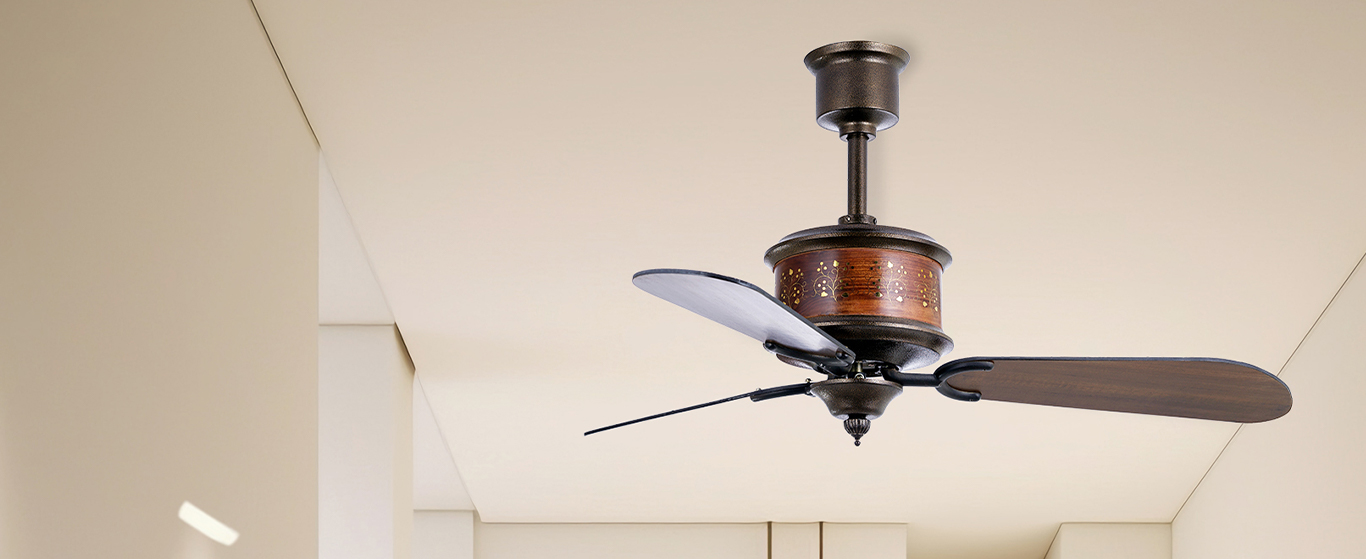
Design and finish: When the fan becomes part of the decor
A conventional fan is often selected to blend into the ceiling. A designer fan can take a different approach: it becomes an intentional part of the room’s visual identity.
Think of sculptural blades, carefully balanced proportions, distinctive colour combinations, metallic accents, or finishes that complement the furniture below.
These design choices can require more specialised manufacturing, finishing, and quality control. Depending on the product, they can contribute significantly to the final price.
A well-designed ceiling fan should also look appropriate from different angles. It occupies a central position in many rooms, which means its shape and finish can influence the entire ceiling composition.
This is particularly relevant when choosing a fan for a living room, a statement bedroom, a luxury apartment, or a carefully designed hospitality space.
Size and airflow: Bigger isn’t automatically better
It is tempting to assume that a larger fan will always provide better cooling. In reality, the right size depends on the room’s dimensions, ceiling height, layout, and airflow requirements.
A fan that is too small may not circulate air effectively across the room. One that is too large may overwhelm the space visually or be unsuitable for the installation.
Blade design and motor performance also influence airflow, so diameter alone isn’t a reliable measure of quality.
Before comparing prices, consider the area you need to cover and the manufacturer’s recommendations for room size and installation.
Smart features and everyday convenience
Some premium ceiling fans offer features such as:
- Remote-controlled speed adjustment.
- BLDC motor technology.
- Timer and sleep modes.
- Multiple operating speeds.
- Smart-home compatibility on selected models.
- Special lighting or integrated design features on certain products.
These additions can increase the purchase price, but their value depends on how often you will use them.
A remote control can be genuinely useful in a bedroom. Smart-home integration may appeal to someone automating an entire house. But if you prefer simple wall controls, paying extra for connected features may not be necessary.
The best-priced fan is the one whose features solve real problems rather than simply adding to the specification sheet.
2. Why Are Designer Ceiling Fans So Expensive?
This is where the difference between an ordinary fan and a premium design becomes clearer.
A designer ceiling fan is not necessarily expensive because it moves air differently. Sometimes, the difference lies in materials, engineering, finishing, or the level of design detail involved.
Here are five reasons a premium fan may cost more.
- Distinctive design
Unusual blade profiles, balanced proportions, and carefully developed finishes can require more design work than standard fan designs.
- Material and finish quality
The choice of material, surface treatment, coating, and finishing process affects both appearance and manufacturing cost.
- Motor and control technology
Energy-efficient motors, specialised controls, and additional operating modes can contribute to the price.
- Manufacturing and quality control
Precision in blade alignment, balancing, assembly, and finishing is important to a fan’s performance. Better quality control can add to production costs.
- Brand positioning and product specialisation
Some premium brands focus on distinctive aesthetics, specialised designs, or particular interior styles. Their pricing may reflect that positioning, along with the product’s actual materials and features.
However, a higher price does not automatically guarantee better airflow, lower electricity consumption, or longer service life.
When comparing two premium fans, look beyond the label. Check the motor type, power consumption, airflow specifications, materials, warranty, installation requirements, and after-sales support.
That is how you determine whether the premium ceiling fan price reflects meaningful benefits or simply a more expensive design.
3. Are Designer Ceiling Fans Worth It?
The honest answer is: sometimes.
If you need a functional fan for a utility room, a basic model may be perfectly adequate. Spending significantly more on a designer product may not offer enough practical value to justify the extra expense.
But if you’re furnishing a home where every detail contributes to the overall aesthetic, a designer ceiling fan can make a noticeable difference.
Consider these situations.
When the fan is part of the interior design
In living rooms, dining areas, and open-plan spaces, a ceiling fan is often visible from multiple angles. A thoughtfully chosen design can complement lighting, furniture, ceiling details, and architectural finishes.
When you want a cohesive look
Wooden finishes, muted colours, and clean silhouettes can tie together a room’s materials and colour palette. The fan becomes part of the overall composition rather than an afterthought.
When you value both aesthetics and functionality
A premium model may offer a combination of considered design, useful controls, efficient motor technology, and suitable airflow. This is where paying more can make practical sense.
On the other hand, if a fan’s premium price comes primarily from its appearance and you are working with a strict budget, it is worth asking whether that visual upgrade is a priority.
You do not need a luxury fan in every room to create a well-designed home. Investing in a statement fan in the living room or master bedroom and choosing simpler models elsewhere can be a sensible compromise.
Explore The Fan Studio’s modern fan collection to compare styles and identify designs that fit your space.
4. Wooden Blade Ceiling Fan Price: Is the Premium Worth Paying?
Wooden blade ceiling fans deserve a closer look because their appeal is often as much about interior design as it is about everyday comfort.
Unlike a conventional fan with a standardised appearance, a wooden or wood-finish model can introduce a natural element into a room. It works particularly well with warm neutrals, wooden flooring, natural stone, textured walls, and contemporary furniture.
But before paying more for one, consider three things.
First, understand the material. Is the fan made with solid wood, engineered wood, or another material with a wood-effect finish? These are different constructions, and the product description should make the distinction clear.
Second, check the finish and maintenance requirements. Dust accumulation, cleaning methods, humidity, and the manufacturer’s care instructions can affect how well the fan maintains its appearance.
Third, evaluate the complete product. A wooden blade ceiling fan should still meet your requirements for airflow, motor performance, noise, and safety. Attractive blades cannot compensate for unsuitable performance.
There is also an installation consideration. Heavier or specialised designs may have specific mounting requirements, so always follow the manufacturer’s installation instructions.
The wooden blade ceiling fan price in India can vary widely depending on the materials, design, motor, and brand. Compare those factors rather than assuming that every wooden fan belongs to the same price category.
5. The Hidden Cost of Owning a Ceiling Fan
The purchase price is only one part of the equation.
If you’re comparing a conventional fan with a premium BLDC model, it is worth looking at electricity consumption over time. A fan that costs less initially may cost more to operate, depending on its wattage and how frequently you use it.
Let’s use a simple example.
Suppose you are comparing two fans:
Factor | Conventional fan | BLDC fan |
Illustrative power consumption | 75 W | 35 W |
Daily usage | 8 hours | 8 hours |
Days of use per year | 365 | 365 |
Annual electricity consumption | 219 kWh | 102.2 kWh |
These wattages are illustrative assumptions, not specifications for particular products. Actual consumption depends on the model and operating speed.
In this example, the BLDC fan uses approximately 116.8 kWh less electricity annually.
To estimate the potential savings, multiply the difference in annual consumption by your electricity tariff.
For example, at an assumed electricity rate of ₹8 per kWh:
- Conventional fan: approximately ₹1,752 per year.
- BLDC fan: approximately ₹818 per year.
- Estimated difference: approximately ₹934 per year.
Your actual savings will depend on the fans’ measured power consumption, speed settings, daily usage, and electricity tariff.
How long does it take to recover the extra cost?
Suppose the BLDC fan costs ₹3,000 more than the conventional model. Using the illustrative annual saving of ₹934, the simple payback period would be around 3.2 years.
This is a simplified calculation. It excludes changes in electricity tariffs, maintenance, repairs, and differences in product life.
The lesson is straightforward: a higher upfront price can make financial sense when the fan delivers measurable operating savings. But the calculation should be based on actual product specifications rather than assumptions about what a premium fan will save.
For a deeper comparison of motor technology and operating costs, read our guide to BLDC vs. normal fans.
6. How to Choose the Right Designer Ceiling Fan for Your Budget
Shopping for a designer ceiling fan becomes much easier when you establish your priorities before looking at individual models.
Use this checklist to narrow down your options.
Your ceiling fan buying checklist
Set a realistic budget
Decide how much you want to spend, including installation and any additional controls or accessories.
Measure the room
Check the room dimensions, ceiling height, and manufacturer-recommended fan size.
Compare motor specifications
Review wattage, motor technology, speed settings, and available airflow data.
Choose the right design
Match the blade shape, colour, and finish to your furniture and interior style.
Check the warranty
Review the motor warranty, product warranty, exclusions, and service availability.
Calculate running costs
Estimate electricity use based on the fan’s actual wattage, your usage, and your local tariff.
Confirm installation requirements
Check mounting compatibility, electrical requirements, and whether professional installation is needed.
0 of 7 considerations reviewed
One additional point is worth remembering: don’t compare fans on price alone.
A fan priced at ₹10,000 with a suitable motor, a finish you genuinely like, and the right airflow for your room may be a better purchase than a ₹7,000 fan that looks similar but does not meet your requirements.
The reverse can also be true. If the less expensive model performs equally well and has the design you want, spending more may not be necessary.
The aim is to buy the right fan once, rather than pay extra for features you will never use.
7. Where Should You Buy Designer Ceiling Fans in India?
Once you have narrowed down your budget and preferred style, the next step is to compare actual products.
Look for a product page that provides clear specifications rather than relying on photographs alone. Ideally, you should be able to find information about the fan’s size, motor, power consumption, speed settings, materials, finish, warranty, and installation requirements.
It is also useful to check whether the product suits your intended room and whether the seller can clarify any technical questions before purchase.
At The Fan Studio, you can begin by browsing the product collection and exploring the modern fans collection. Compare the available models by design, features, and specifications before deciding which one fits your requirements.
If you need help narrowing down your options, visit the The Fan Studio website or use the contact page to enquire about suitable models and their current prices.
Remember to confirm the final price, applicable delivery or installation charges, and warranty terms before placing your order.
Frequently Asked Questions About Designer Ceiling Fan Prices in India
1. What is the average designer ceiling fan price in India in 2026?
Designer ceiling fans can range from approximately ₹7,000 to ₹15,000, with luxury and specialised models often costing ₹15,000 to ₹30,000 or more. These are indicative market ranges, not verified prices for specific models. The actual cost depends on the brand, materials, motor technology, design, and features.
2. Why are designer ceiling fans more expensive than regular fans?
The higher price may reflect specialised blade designs, premium finishes, materials, motor technology, advanced controls, and manufacturing quality. However, the price alone does not establish that a fan is more efficient or durable. Compare the specifications and warranty before purchasing.
3. Are luxury ceiling fans worth the cost?
They can be worth the cost if you value distinctive design, premium finishes, useful features, and suitable performance. For rooms where appearance is less important, a conventional fan may offer better value. The right choice depends on your priorities and budget.
4. Are wooden blade ceiling fans more expensive?
They can be. The price depends on the material, construction, finish, blade design, motor, and brand. Solid wood and wood-effect finishes are not necessarily equivalent, so check the product specifications rather than judging by appearance alone.
5. Are BLDC ceiling fans worth the higher upfront price?
A BLDC ceiling fan can be a good investment if its lower power consumption offsets the additional purchase cost over time. Calculate the potential savings using the actual wattage of both fans, your daily usage, and your electricity tariff.
6. Does a more expensive ceiling fan provide better airflow?
Not necessarily. Airflow depends on factors such as blade geometry, fan speed, motor performance, and the overall design. Check the manufacturer’s airflow specifications and choose a fan suited to your room.
7. What should I check before buying a premium ceiling fan?
Compare the price, size, motor type, power consumption, airflow, noise performance, materials, finish, warranty, installation requirements, and after-sales support. Also consider whether the design suits your room and whether the extra features are useful to you.
8. Where can I find designer ceiling fans online in India?
You can explore The Fan Studio’s product collection and modern fans collection to review available designs. Check individual product specifications and confirm current pricing and availability before making a purchase.
Final Thoughts: Pay for What Matters to You
The designer ceiling fan price in India can vary significantly, but the most useful question is not whether a fan is expensive. It is whether the price makes sense for what you get.
A thoughtfully designed fan can complement your interiors, while the right motor and blade configuration can help deliver the performance you need. A suitable energy-efficient model may also reduce electricity consumption over years of regular use.
At the same time, a premium price is not a substitute for good specifications. Materials, motor technology, airflow, warranty, and practical usability deserve as much attention as appearance.
Before you buy, decide what matters most: design, energy efficiency, performance, convenience, or a balance of all four. Then compare products against those priorities.
Explore The Fan Studio’s collection of ceiling fans to find a design that fits your space, budget, and everyday needs.
Because the right ceiling fan should not just complete your room. It should make sense for the way you live in it.