There is a moment that happens before a guest forms an opinion. Before they admire the bed or notice the lighting. Their body reads the room first. It senses whether the space feels resolved or unresolved. Calm or slightly uneasy. Intentional or assembled rushing.
That reaction is fast. Almost silent.
In Airbnb rooms and hotel interiors, most attention is placed where guests are expected to look. Furniture, finishes, wall colours. But the eye does not obey intention. It wanders. It lifts. And very often, it lands on the ceiling fan.
This is where many rooms quietly reveal their weakest decision.
A ceiling fan is not background. It is central, moving, unavoidable. It appears in photos. It affects sound. It shapes how tall or heavy a room feels. And within seconds, it signals whether the space belongs to the present or is borrowing from the past.
The Design Choice Everyone Sees but Rarely Questions
A ceiling fan carries visual weight whether we acknowledge it or not.
In many Airbnb rooms, the disconnect is subtle but persistent. Thoughtful interiors paired with fans that feel inherited rather than chosen. Thick blades. Reflective finishes. Loud housings that compete with the ceiling instead of settling into it.
Nothing feels broken. But nothing feels complete either.
Guests may never call it out. But they feel it. And that feeling quietly shapes how premium, trustworthy, or forgettable the space becomes.
Design fails not when something is ugly, but when it does not belong.
Why the Ceiling Has More Influence Than We Admit
Ceilings define how a room breathes. A cluttered ceiling compresses space. A calm one allows openness.
When ceiling fans feel heavy or stylistically misplaced, they introduce friction. When they are visually light and acoustically quiet, the room settles into itself.
Modern guests are highly attuned to this, even if they never use design language to describe it. They recognise when a space feels current. They sense when it feels dated.
This is why a single change above eye level can recalibrate the entire room without touching anything else.
From Cooling Devices to Design Participants
The role of ceiling fans has shifted. Quietly, but decisively.
Today’s Luxury Ceiling Fans are not designed to hide. They are designed to integrate. Slim profiles replace bulky forms. Natural and matte finishes replace shine. Motors operate without announcing themselves. Lighting, when included, feels resolved rather than added.
This evolution mirrors what has already happened across hotel interiors. Objects are no longer forgiven for being functional alone. They must contribute visually.
A well-designed fan lifts the ceiling. A quiet fan deepens rest. A considered fan completes the room.

When the Fan Carries the Room’s Identity
In spaces that feel composed rather than decorated, the ceiling fan is never accidental.
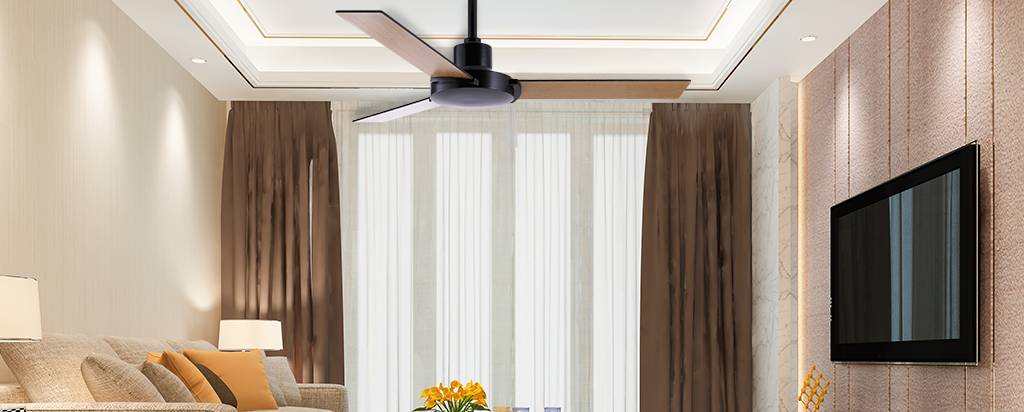
A contemporary interior with architectural clarity demands restraint. This is where Premium Ceiling Fan like Estella find their place. Its Grecian-inspired metal finishes and slender wooden shafts feel sculptural without excess. The spear-like hub adds energy without noise. It suits modern Airbnbs and design-forward hotel rooms where the ceiling is treated as part of the spatial narrative.
Some spaces ask for warmth and continuity. Here, Legend feels inevitable. Hand-carved wooden blades bring depth and texture that cannot be replicated by surface finishes. In boutique hotels or premium suites, it introduces a sense of permanence. Quiet, efficient, and grounded, it rewards long stays rather than quick impressions.
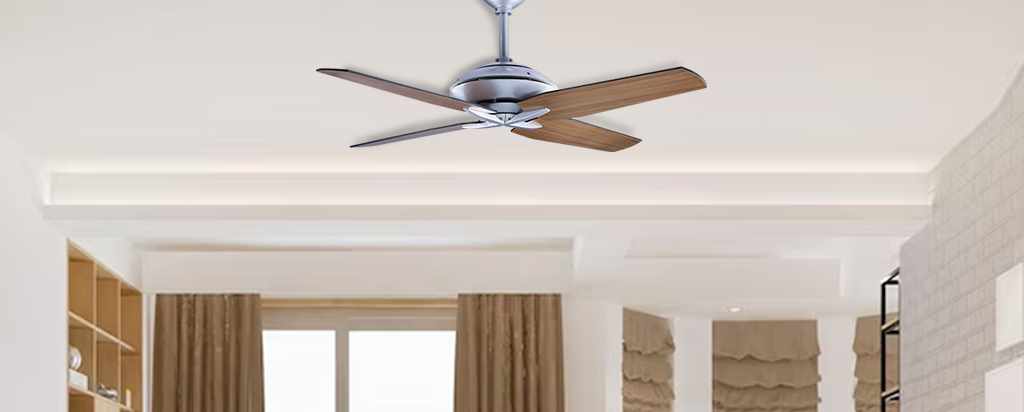
Other rooms exist between restraint and richness. Jamica occupies that middle ground. A matte grey body keeps it contemporary, while teak wooden blades soften the atmosphere. It works in high-end homes, offices, and hospitality spaces where balance matters more than statement. Subtle, confident, and composed.
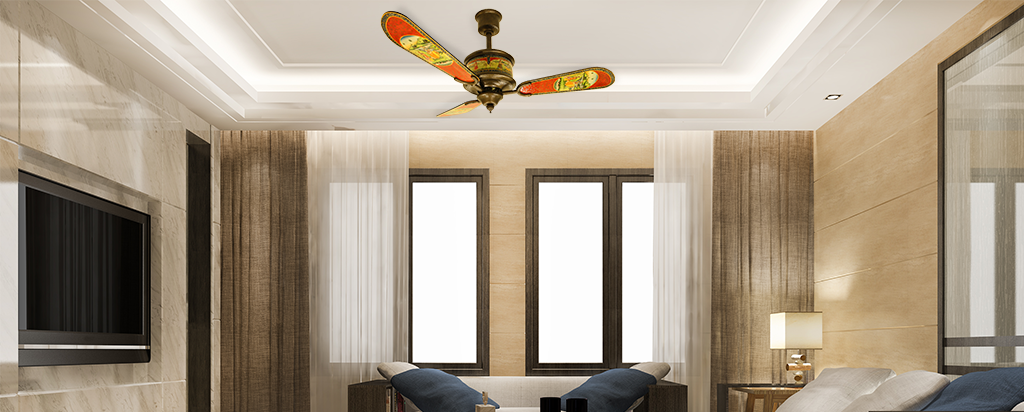
Then there are spaces that embrace visual heritage. Marvel belongs where ceilings are meant to speak. Ornate detailing and regal finishes reference classical interiors without slipping into nostalgia. Despite its decorative language, its performance remains modern and silent. It feels at home in heritage hotels and grand rooms where elegance is part of the experience.
These are not interchangeable objects. They are expressions of intent. In many hospitality spaces today, Custom Fan Designs are no longer indulgences but tools for alignment.
What Guests Respond To Without Naming It
Guests rarely praise a ceiling fan directly. Instead, they talk about how the room felt.
They sleep better. The space feels calm. The photos feel honest. These reactions are not accidental.
A noisy fan disrupts rest. A dated fan disrupts trust. A visually heavy fan disrupts flow. Together, they shape reviews without ever being mentioned.
Hospitality is the discipline of removing friction. Visual friction counts as much as physical discomfort.
In photographs, refined ceiling fans age better. Trends fade quickly. Simplicity lasts. For hosts who want longevity without constant updates, this matters.
One thoughtful decision compounds quietly over time.
Choosing What Will Still Make Sense Later
Selecting a fan for hospitality spaces is not about chasing novelty.
It is about proportion. Silence. Finish. Ease.
One control. No instructions. No visual noise.
The best design decisions disappear into the experience. Guests should never have to think about them.
The Invisible Layer of Brand Perception
Every room tells a story, even when nothing is said.
When elements feel mismatched, the story becomes uncertain. When they align, the room communicates care and reliability.
This is where room aesthetics move beyond appearance and into perception.
Just as sound, light, and texture shape memory, visual consistency builds trust. Guests may forget individual details, but they remember how the space made them feel.
A ceiling fan may seem insignificant in isolation. In reality, it participates in that feeling every single day.
Before You Change Anything Else, Look Up
Most upgrades happen at eye level. Furniture changes. Paint refreshes. Linen improves. The ceiling remains untouched.
Before the next renovation, pause.
Does the fan belong here?
Does it support the mood you are trying to create?
Does it disappear, or does it interrupt?
If the answer feels unclear, the guest probably feels it too.
Sometimes, the most effective upgrade is not adding something new, but correcting something long overlooked.
The ceiling fan is no longer just an appliance. It is part of the experience.
And in spaces designed for people who stay briefly, it is often these quiet decisions that decide whether a place is forgotten or quietly recommended.
You May Also Like →
How to Choose the Right Ceiling Fans for Luxury Hotels & Resorts
Discover Elegant Wooden Ceiling Fans Curated by The Fan Studio
Tropical & Coastal Resort Fan Styles That Wow Guests | The Fan Studio