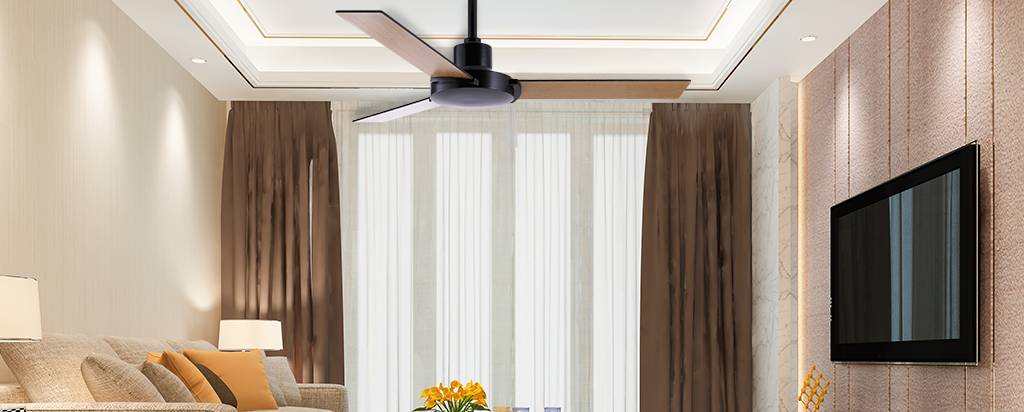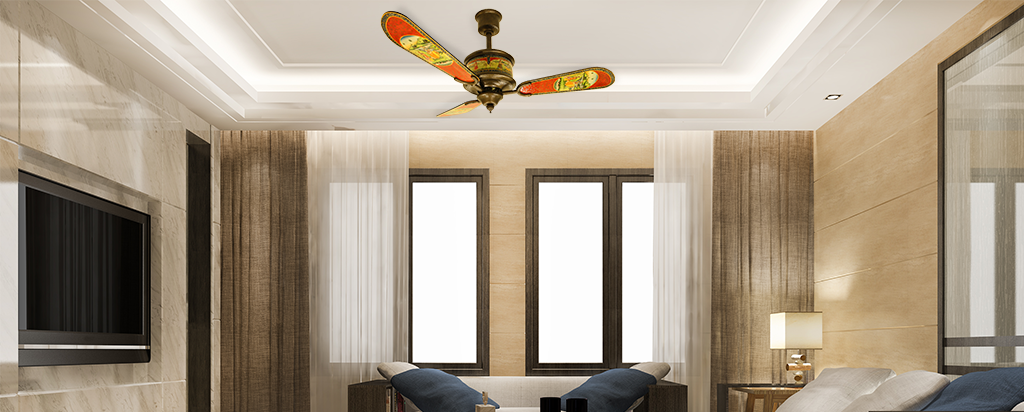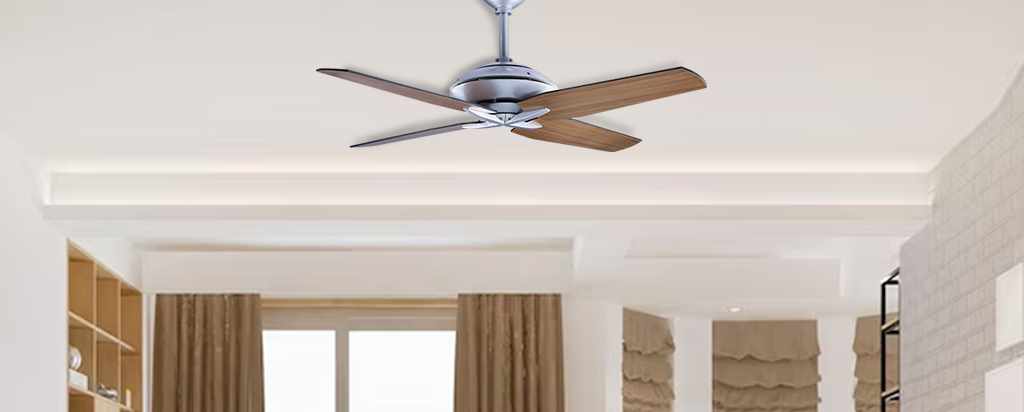
Retail comfort is rarely discussed in plain language. Most conversations hide behind technical terms or temperature numbers, yet every retailer knows the truth instinctively. People stay where they feel good, especially in spaces designed with intention, using elements like premium ceiling fans that quietly support comfort. They leave when something feels off, even if they cannot name it.
It is not dramatic. It does not announce itself. But it quietly shapes how long someone lingers, how calmly they browse, and how willing they are to slow down inside a space that ultimately exists to invite purchase, particularly when ceiling fans for retail spaces are chosen with both performance and design in mind.
When the airflow is right, customers do not notice the air. They notice the products. When it is wrong, no amount of lighting or merchandising can fully compensate.
This is where thoughtful ceiling fan design becomes far more than a functional choice.
Comfort That Works in the Background
Retail spaces are emotional environments disguised as commercial ones. Shoppers are constantly processing visual cues, sound, movement, and personal space. The body reacts to these inputs faster than the mind.
Airflow affects that reaction immediately.
Stale air creates restlessness. Uneven circulation causes subtle irritation. Strong drafts make people unconsciously step back, shorten conversations, or rush decisions. None of this is dramatic enough to complain about, but it is powerful enough to reduce dwell time.
Well-designed ambient airflow creates something quieter. A sense of ease that does not demand attention. Customers breathe normally. Their shoulders relax. They move naturally from one section to another.
This is the state where time stretches. And in retail, time is value.
Why Ceiling Fans Matter More Than Temperature
Many retail spaces still think in terms of cooling alone. Set the temperature, forget the rest. But temperature without airflow is incomplete comfort.
Ceiling fans influence how air behaves within the space. They guide circulation, prevent pockets of warm air, and maintain consistency without aggressive cooling. This matters because comfort is about balance, not extremes.
Ceiling Fans For Retail Spaces are not about creating a breeze. They are about shaping air movement so that it feels natural and continuous.
When paired with intelligent design, fans reduce reliance on heavy air conditioning, soften temperature transitions near entrances, and keep the environment feeling fresh even during peak footfall.
The result is a space that feels alive, not controlled.
Dwell Time Is a Feeling Before It Is a Metric
Retail analytics often reduce dwell time to numbers on a dashboard. Minutes spent. Zones visited. Conversion ratios.
But dwell time begins as a feeling.
People stay longer where their bodies are comfortable enough to forget themselves. That forgetting is key. When shoppers stop monitoring their own discomfort, they begin engaging fully with the space.
Ambient airflow supports this by removing friction. No sudden heat near displays. No cold spots near counters. No stagnant corners that subtly push people away.
This is where ceiling fans, especially well-designed ones, quietly extend time spent in-store without manipulating behaviour.
The Role of Design in Perceived Comfort
A fan is not just a mechanical object hanging from the ceiling. In premium retail, it becomes part of the visual language.
Modern Designer Fans blend into the architecture rather than interrupt it. Their scale, finish, and movement complement the space instead of drawing attention away from the merchandise.
This visual harmony matters more than most people realise. When design elements feel intentional, customers trust the environment. That trust translates into patience. Patience translates into exploration.
This is why Luxury Fans and Premium Ceiling Fans have become central to high-end retail design rather than afterthoughts.
They do their job without looking like they are trying to.
Airflow Zoning and Human Movement
Retail spaces are not uniform. People move differently near entrances, linger longer in browsing zones, and pause in fitting areas or consultation corners.
Airflow should respond to these patterns.
Gentle circulation near entrances helps customers transition from outdoor conditions without shock. Consistent airflow in browsing areas supports slow movement and comfort. Slightly enhanced circulation in trial zones maintains freshness without feeling clinical.
This level of control is impossible with generic solutions.
Custom Ceiling Fans allow airflow to be tailored to the spatial logic of the store. Blade span, motor performance, and placement all influence how air travels through the environment.
When airflow aligns with how people actually move, comfort feels intuitive.
Quiet Performance Builds Premium Perception
Sound is often the silent killer of comfort. Even low-level mechanical noise can create tension over time.
Retail spaces rely on subtle soundscapes. Music, conversation, footsteps. Fans that intrude into this mix disrupt the sensory balance.
High-quality fans operate quietly, almost imperceptibly. This silence reinforces a sense of refinement. Customers may not consciously notice it, but they feel the difference.
Brands that invest in handcrafted fans often do so for this reason. Precision engineering reduces vibration, stabilises movement, and ensures that airflow does not come with unwanted noise.
In premium retail, silence is not empty. It is intentional.
Sustainability That Feels Natural, Not Forced
Modern customers care about sustainability, but they are quick to reject anything that feels performative.
Ceiling fans support energy efficiency in a way that feels honest. They reduce cooling load without demanding behavioural change from shoppers. Comfort remains high. Energy consumption drops quietly.
This balance matters.
Retailers who integrate The Fan Studio’s latest collection into their spaces are not making a statement about sustainability. They are simply designing smarter environments that happen to consume less.
That authenticity resonates far more than signage ever could.
The Fan Studio Perspective on Retail Comfort
At The Fan Studio, airflow is never treated as an afterthought. It is part of how a space communicates with the people inside it.
Our approach to Luxury Fans, Modern Designer Fans, and Ceiling Fans for Retail Spaces is grounded in one belief. Comfort should feel human, not mechanical.
Every design choice, from blade geometry to finish selection, is made with the lived experience of the space in mind. Not theoretical usage. Real movement. Real time spent inside.
Retail spaces succeed when they respect the human body as much as the brand identity.
Why Customers Remember Comfortable Spaces
Memory is shaped by emotion, not detail. Shoppers may forget what music was playing or exactly how the lighting looked. But they remember how the space made them feel.
A store that feels comfortable becomes familiar quickly. Familiarity builds trust. Trust builds return visits.
Ambient airflow plays a quiet but critical role in that process. It supports the emotional tone of the space without ever asking for attention.
When done right, customers leave without noticing the air at all. They simply remember that they enjoyed being there.
That is the strongest form of retail success.
Designing for Time, Not Just Traffic
Footfall brings people in. Comfort keeps them there.
In a retail landscape where online shopping has removed urgency, physical spaces must offer something digital never can. A sense of ease that unfolds slowly.
Ambient airflow is part of that offering.
When airflow is intentional, ceiling fans become invisible partners in the retail experience. They support dwell time, reinforce brand perception, and quietly improve conversion without pushing or persuading.
For retailers who understand this, investing in thoughtful airflow design is not about hardware. It is about respect for how people actually live inside spaces.
Discover More Blogs →
Architect Your Office Space with The Fan Studio’s Premium Fan Collection
Top Modern Ceiling Fans That Redefine Home Comfort and Style
Cultural Comfort: Handcrafted Ceiling Fans and Their Traditional Charm