Walk into any beautifully designed home today, and you’ll notice one thing immediately: it either feels calm and effortless or bold and full of personality.
That’s the difference between minimalism and maximalism.
Some people feel relaxed in open spaces with soft tones and simple décor. Others feel more at home around colours, textures, patterns, and pieces that tell a story. Neither style is wrong. It all comes down to how you want your space to feel when you live in it every day.
For homeowners and design decision-makers, choosing between these two styles can feel confusing, especially when trends keep changing every few years. But good interiors are not about blindly following trends. They are about creating a space that feels comfortable, functional, and personal to you.
At The Fan Studio, we work with both kinds of homes. Some clients want fans that quietly blend into elegant interiors. Others want handcrafted pieces that immediately become the centre of attention. What matters is balance. A home should feel designed, not forced.
So if you are stuck between minimalism and maximalism, here’s a practical way to look at both.
What Does Minimalist Interior Design Actually Mean?
Minimalism is often misunderstood.
People assume it means empty rooms, plain white walls, and spaces that feel cold. In reality, good minimalist design is warm, intentional, and highly functional.
It focuses on keeping only what adds value to the space. Instead of filling a room with too many elements, minimalism gives importance to thoughtful choices, clean furniture, softer colour palettes, natural materials, and pieces that quietly stand out.
That’s why minimalist homes usually feel peaceful.
Minimalism works well if:
- You prefer organised spaces
- Your home is compact or apartment-sized
- You want low-maintenance interiors
- You like modern, timeless aesthetics
- You don’t enjoy visual clutter
But simplicity should never feel boring.
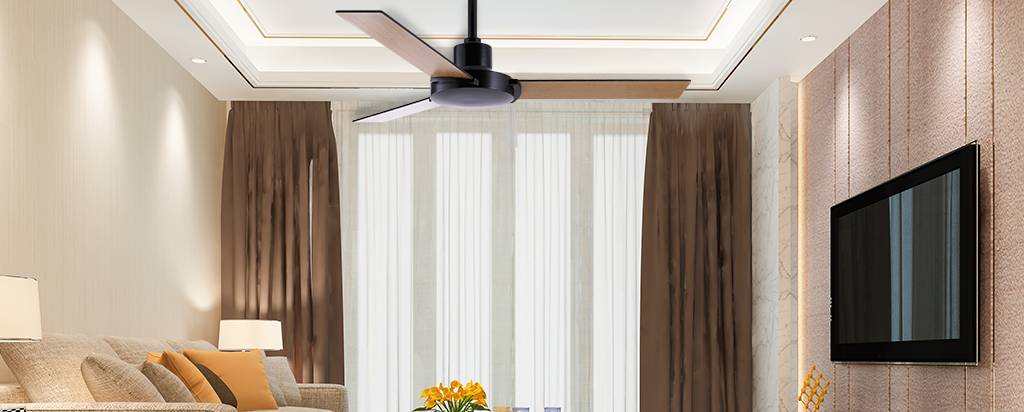
A handcrafted piece can completely change the mood of a minimalist room without disturbing its calmness. For example, the Shalimar Cane fan adds texture and warmth through its real wood detailing and handcrafted finish. It feels elegant without trying too hard.
The Diva Heritage works similarly. It has a classic feel, but the design remains subtle enough for contemporary homes that prefer quieter luxury.
And then there’s the Dynasty fan. While the detailing is richer, it still fits beautifully into refined minimalist interiors because the craftsmanship feels balanced, not excessive.
That’s the key difference between luxury minimalism and plain design: every piece still has character.
What Makes Maximalist Interiors Different?
Maximalism is more expressive.
It is for people who want their homes to feel layered, artistic, and full of life. Instead of holding back, maximalist interiors embrace colour, texture, craftsmanship, patterns, and statement décor.
But there’s a misconception here, too.
Maximalism is not random clutter.
A well-designed maximalist home still feels curated. Every element has an intention behind it. The goal is to create visual richness without making the space chaotic.
Maximalism works well if:
- You enjoy bold interiors
- You love art, décor, and statement pieces
- You have larger spaces to work with
- You want your home to feel unique
- You prefer expressive styling over subtle design
This style especially works well in homes where individuality matters more than trends.
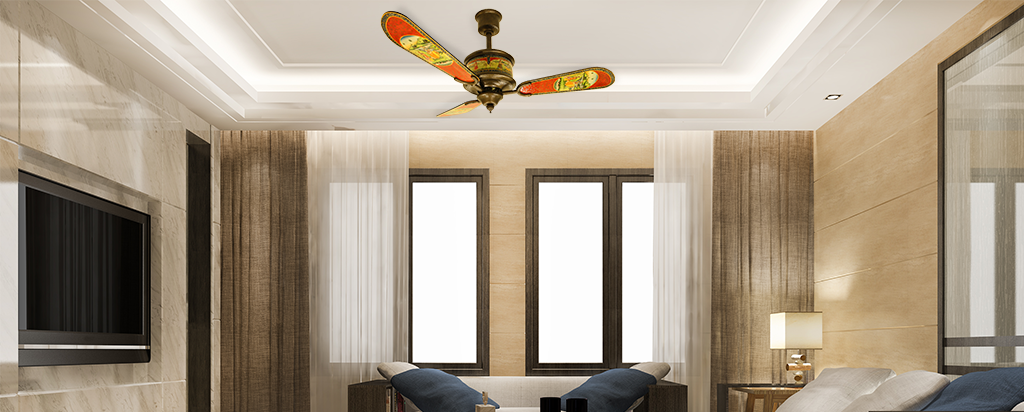
The Shalimar Sanganeri Leaf fan is a great example of this approach. Inspired by traditional Indian craftsmanship, its hand-finished detailing instantly adds personality to a room. It does not just cool the space; it becomes part of the décor itself.
The Wall Fan Brass Blades design also works beautifully in maximalist interiors. Its vintage-inspired metallic finish gives the room a stronger visual identity while still feeling sophisticated.
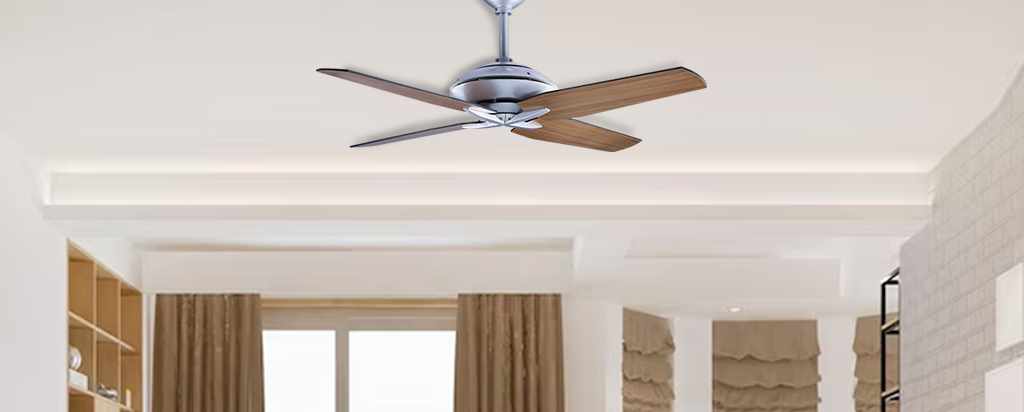
And not every maximalist space needs to be heavy or ornate. The Curve Hugger fan proves that even sleek, contemporary designs can work inside layered interiors by balancing the room visually.
So, Which Style Is Better?
Honestly, neither.
The better style is the one that fits your lifestyle naturally.
Minimalism looks beautiful in photos, but if you enjoy collecting art, décor, books, or handcrafted pieces, an extremely minimal home may start feeling lifeless after a while.
At the same time, maximalism can feel exciting initially, but too many visual elements in smaller homes can eventually become overwhelming.
This is why practical decisions matter more than trends.
Choose minimalism if:
- You want simplicity
- You prefer clean spaces
- Your home is smaller
- You want easier maintenance
- You like timeless interiors
Choose maximalism if:
- You enjoy expressive décor
- You want your home to feel personalised
- You love handcrafted details
- You have more room to experiment
- You prefer bold styling choices
The Best Interiors Usually Sit Somewhere in Between
Most modern luxury homes today are not completely minimalist or fully maximalist.
They borrow from both.
You’ll often see clean layouts paired with one statement piece. Neutral interiors balanced with handcrafted details. Modern furniture mixed with traditional artistry.
This combination works because it feels more natural and livable.
A handcrafted fan can play a huge role here. It can either quietly complement the room or become the focal point that ties the entire space together.
That’s where thoughtful craftsmanship stands out. At The Fan Studio, the focus is not just on functionality. It is about creating designs that feel personal to the people living with them every day.
Because ultimately, a home should not feel like a showroom.
It should feel like yours.
Final Thoughts
Minimalism brings calm.
Maximalism brings character.
Both styles can look luxurious when designed properly. The real goal is not choosing what’s trending, it’s choosing what makes your space feel comfortable, welcoming, and authentic to your lifestyle.
Some homes need softness and simplicity.
Others need depth and expression.
And sometimes, the most beautiful interiors are the ones that combine both.
FAQs
Is minimalism good for Indian homes?
Yes. Minimalist interiors work especially well in urban homes and apartments where space optimisation and functionality are important.
Can maximalist interiors still feel elegant?
Definitely. When done thoughtfully, maximalist interiors feel rich, artistic, and highly curated rather than cluttered.
Which type of ceiling fan suits minimalist interiors?
Fans with clean finishes, natural textures, and subtle detailing usually work best in minimalist spaces.
Are handcrafted fans only suited for traditional interiors?
No. Handcrafted fans can complement modern, contemporary, minimalist, and heritage-inspired homes equally well.
Can I mix minimalism and maximalism?
Yes. Many modern homes combine clean layouts with bold statement pieces to create a balanced and personalised interior style.