Common Ceiling Fan Buying Mistakes for Homes & How to Avoid Them
A ceiling fan is rarely an impulse purchase. It stays with a home for years, runs almost every day, and quietly becomes part of everyday life. Yet many buyers spend more time comparing sofa fabrics or wall colours than they do choosing a fan.
The result is familiar. A fan may look impressive in a showroom but feel out of place once it’s installed. Another may circulate air well but produce a constant hum that’s impossible to ignore during the night. Some homeowners only realise months later that replacing or servicing the fan is far more complicated than they expected.
If you’re exploring options from Luxury Ceiling Fan Manufacturers in India, knowing what not to do can save far more money—and frustration—than chasing the latest trend.
The biggest mistake? Buying with your eyes alone
Most people decide within seconds after seeing a fan’s design. That’s understandable because it’s one of the few functional appliances that’s always visible.
What often gets ignored is how the fan behaves after installation.
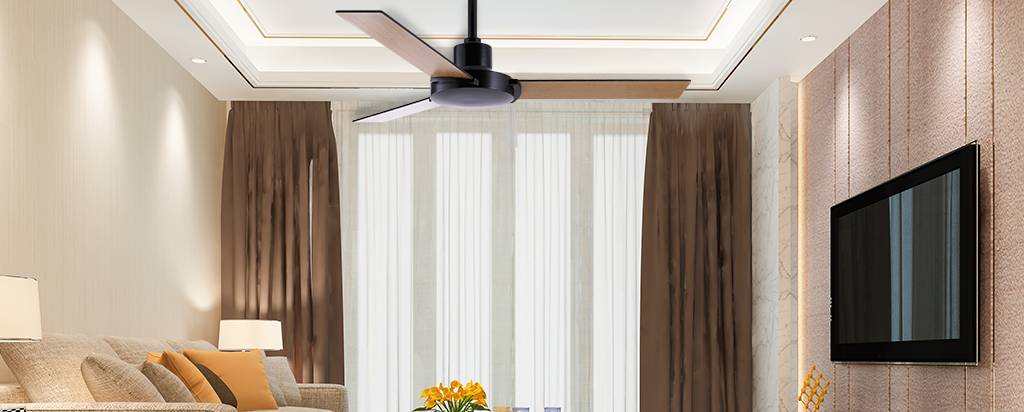
A striking finish may reflect light differently in your actual room than it did under showroom lighting. Decorative blades can collect more dust if they’re heavily textured. Some intricate designs look beautiful from below but appear oversized in rooms with standard ceiling heights.
Experienced interior designers usually ask one question before discussing colours:
“How will this fan look every single day, not just on installation day?”
That small shift in thinking often leads to a better decision.
Bigger isn’t always better
People often assume a larger fan automatically means stronger airflow.
It doesn’t.
Air movement depends on several factors working together, including blade design, motor efficiency, ceiling height, and room dimensions.
A fan that’s too large in a compact bedroom can create airflow that’s uncomfortable while sleeping. On the other hand, choosing a smaller fan for a spacious living room often leads to people running it at maximum speed throughout the day without feeling adequately cooled.
Professionals typically match the fan to the usable floor area rather than simply choosing the biggest available model.
It’s a detail that rarely appears on shopping checklists, yet it affects daily comfort more than the finish or colour.
Matching the décor—but ignoring the architecture
Many homeowners coordinate their fan with furniture.
Fewer think about the architecture surrounding it.
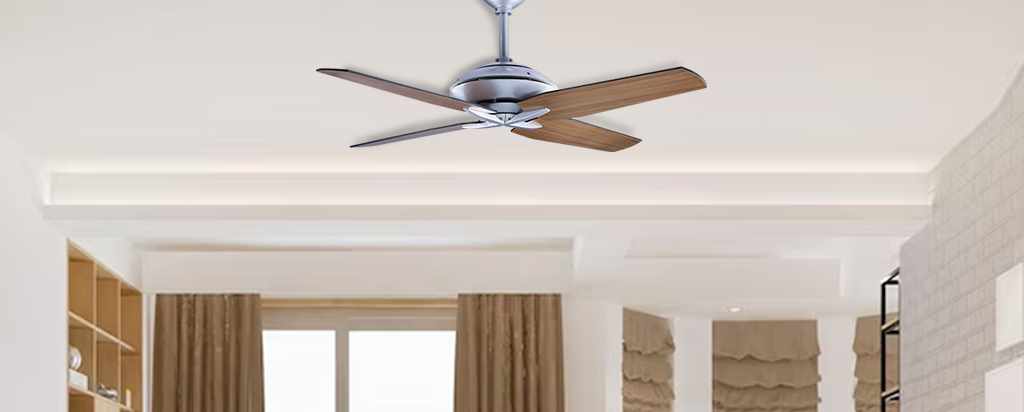
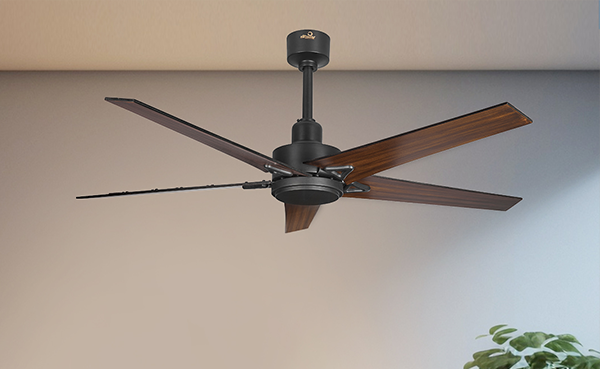
Ceiling height, beam placement, false ceilings, pendant lighting, and even window positioning influence how a fan looks once installed.
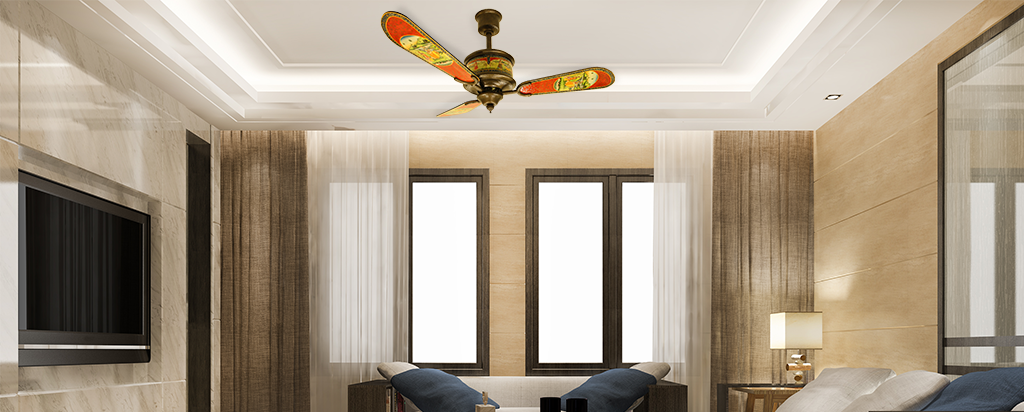
A minimalist apartment may suit sleek Modern Ceiling Fans, while heritage homes often feel more balanced with Handcrafted Ceiling Fans that reflect traditional craftsmanship and richer materials.
Neither approach is inherently better.
The mistake lies in treating every room as though it follows the same design language.
Good interiors feel intentional because every element belongs to the same visual story.
The motor matters long after the design stops impressing you
Ask homeowners what they liked about their new fan on day one.
Ask the same question a year later.
The answer usually changes.
Initially, people mention appearance.
Later, they talk about noise, smooth operation, vibration, and energy consumption.
The motor determines much of that experience.
For homes where fans run for long hours—especially in bedrooms, family rooms, or hospitality spaces—a reliable motor often becomes more valuable than decorative detailing.
Interestingly, many buyers only begin researching motor technology after they’ve experienced a noisy fan elsewhere.
Learning about it before purchasing is considerably easier.
Don’t assume every room needs the same fan
Uniformity looks neat on paper.
In practice, every room has different demands.
A dining room may benefit from a statement piece that complements the interior. Guest bedrooms often prioritise quiet performance. Outdoor covered spaces face different environmental conditions than enclosed living areas.
Luxury homes rarely use identical specifications throughout the property, even when the design language remains consistent.
This is one reason Customised Ceiling Fans continue gaining attention among architects and hospitality designers. Instead of adapting rooms to suit standard products, the fan can be tailored to suit the space itself.
That flexibility becomes particularly valuable in homes with unusual ceiling heights or distinctive interior themes.
Maintenance is usually forgotten until something goes wrong
Very few buyers ask how easy a fan is to clean.
It’s an afterthought—until the first deep cleaning session.
Some decorative designs require extra care because of layered detailing or textured finishes. Certain blade materials need different cleaning methods to maintain their appearance over time.
Accessing electrical components during servicing can also vary between models.
None of these factors should discourage buying a decorative fan.
They simply deserve consideration before installation rather than after.
Maintenance isn’t something homeowners think about often.
But they certainly remember it when it becomes inconvenient.
Looking only at the purchase price
It’s easy to compare numbers on a price tag.
It’s much harder to compare years of ownership.
A ceiling fan typically operates for several hours every day across multiple seasons. Even relatively small differences in energy efficiency, durability, and servicing requirements can become noticeable over time.
The cheapest option isn’t automatically expensive to own.
Nor is the most expensive one automatically economical.
The real value lies in balancing upfront investment with expected performance over many years.
That’s why experienced buyers compare ownership rather than purchase.
Buying without asking where the fan came from
Craftsmanship varies far more than many people realise.
Two fans may appear nearly identical online while differing significantly in materials, finishing techniques, quality control, and after-sales support.
This is where established Luxury Ceiling Fan Manufacturers in India often distinguish themselves. Beyond aesthetics, they invest in engineering consistency, replacement parts, and long-term reliability—details that become relevant years after installation.
These qualities aren’t immediately visible in product photographs.
Yet they often determine how satisfied owners remain over time.
Following trends instead of thinking long-term
Interior trends change surprisingly quickly.
What dominates design magazines today may feel dated a few years later.
Ceiling fans aren’t replaced as frequently as lighting or furniture.
Choosing an extremely trend-driven design simply because it’s popular can shorten its visual lifespan.
Many designers recommend selecting timeless forms with distinctive craftsmanship rather than chasing seasonal aesthetics.
That’s one reason thoughtfully crafted Designer Ceiling Fans often remain visually relevant across changing interior styles.
A well-made fan shouldn’t feel fashionable for one year.
It should feel appropriate for ten.
One decision you’ll appreciate years later
Most ceiling fan regrets aren’t caused by dramatic mistakes. They’re usually the result of small details that seemed unimportant during the buying process.
The fan was slightly too large.
The finish didn’t suit natural daylight.
Cleaning became tedious.
The motor became noisy after extended use.
None of these issues appear obvious inside a showroom.
Taking time to evaluate how a fan will perform, look, and fit into everyday living leads to far better decisions than comparing specifications alone. Brands such as The Fan Studio, known for thoughtfully crafted Luxury Ceiling Fans, reflect this broader approach—where design, engineering, and long-term usability are considered together rather than as separate features.
Years from now, you probably won’t remember how long you spent choosing your ceiling fan.
You’ll simply notice whether it’s one of the few things in your home you never had to think about again.