Frequently Asked Questions About BLDC Ceiling Fans
Buying a ceiling fan used to be simple. You picked a size, a colour, and hoped it lasted for years. Today, there’s one more choice that leaves many buyers confused: should you buy a BLDC ceiling fan?
People hear that BLDC fans save electricity, run quietly, and last longer. But they also notice they’re more expensive than regular models. That naturally raises questions. Is the extra cost worth it? Do they really reduce electricity bills? Will they work during voltage fluctuations?
If you’ve been wondering the same things, here are clear answers to the questions people ask most before buying a BLDC ceiling fan.
What Is a BLDC Ceiling Fan?
A BLDC ceiling fan uses a Brushless Direct Current (BLDC) motor instead of the traditional induction motor found in regular fans.
The word “brushless” sounds technical, but it solves a simple problem. In older motors, parts rub against each other while running, creating more heat and wasting energy. A BLDC motor avoids that friction, so it uses less electricity and runs more smoothly.
Most people never notice the difference on the first day. They notice it after months of lower electricity bills and quieter operation.
Do BLDC Ceiling Fans Really Save Electricity?
Yes. That’s the biggest reason people choose them.
A standard ceiling fan may consume around 70–80 watts, while many BLDC fans use only 25–35 watts for similar cooling performance.
The savings become noticeable because ceiling fans are among the few appliances that run for hours every single day. Even if the monthly difference seems small, it adds up over several years.
If your home has multiple fans running daily, the total savings can be significant.
Why Are BLDC Fans More Expensive?
The higher price usually surprises first-time buyers.
A BLDC fan costs more because it uses advanced electronics, efficient motor technology, and electronic controllers instead of traditional components.
Many buyers focus only on the purchase price. Experienced homeowners often look at the running cost instead. A cheaper fan may cost less today but consume more electricity every month for the next ten years.
Sometimes, the more expensive fan becomes the cheaper option over its lifetime.
Are BLDC Fans as Powerful as Regular Ceiling Fans?
Yes, provided you choose the correct size and airflow rating.
Some people assume that lower power consumption means weaker airflow. That’s a common misunderstanding.
Cooling depends on blade design, motor efficiency, and air delivery—not simply on wattage. A well-designed BLDC fan can move just as much air while using much less electricity.
Always compare airflow specifications instead of power consumption alone.
Are BLDC Ceiling Fans Good for Bedrooms?
They are often a better choice than conventional fans.
One reason is noise. A good BLDC fan runs quietly, which makes a noticeable difference at night. Many people only realise how noisy their old fan was after replacing it.
Another advantage is speed control. Most BLDC fans maintain steady performance even at lower speeds, making it easier to stay comfortable while sleeping.
Do BLDC Fans Work During Voltage Fluctuations?
In many homes, yes.
Voltage fluctuations are common in several parts of India. Good-quality BLDC fans are generally built to handle a wider voltage range than traditional fans.
That doesn’t mean every model performs the same. The quality of the electronic controller makes a difference.
Before buying, check the voltage range mentioned by the manufacturer instead of assuming all BLDC fans perform equally.
Are BLDC Fans Difficult to Maintain?
Not really. Maintenance is almost the same as a regular ceiling fan. Dust the blades regularly, tighten loose screws if needed, and keep the fan clean.
Interestingly, most maintenance complaints aren’t about the motor. They’re usually caused by dust buildup or improper installation.
A well-installed fan often needs very little attention for years.
Can BLDC Fans Look Stylish Too?
Absolutely. Earlier, buyers often had to choose between performance and appearance. That’s no longer the case.
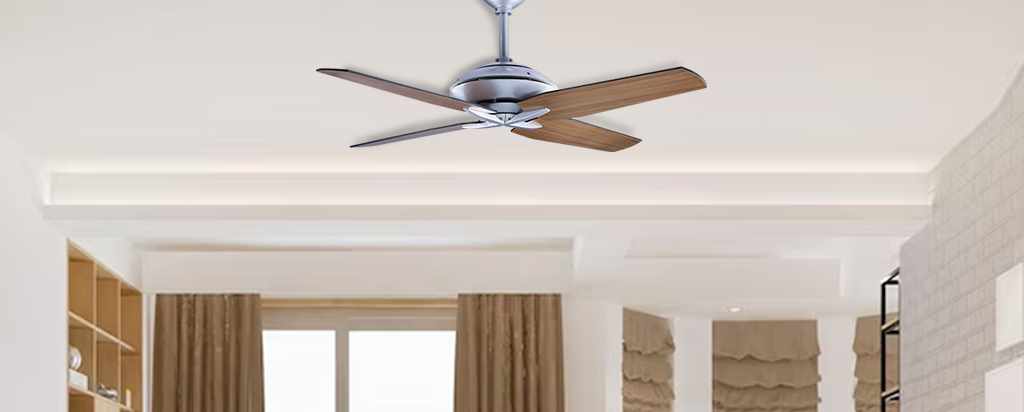
Many brands now offer Modern Ceiling Fans and Designer Ceiling Fans with BLDC motors, allowing homeowners to enjoy better efficiency without compromising on style.
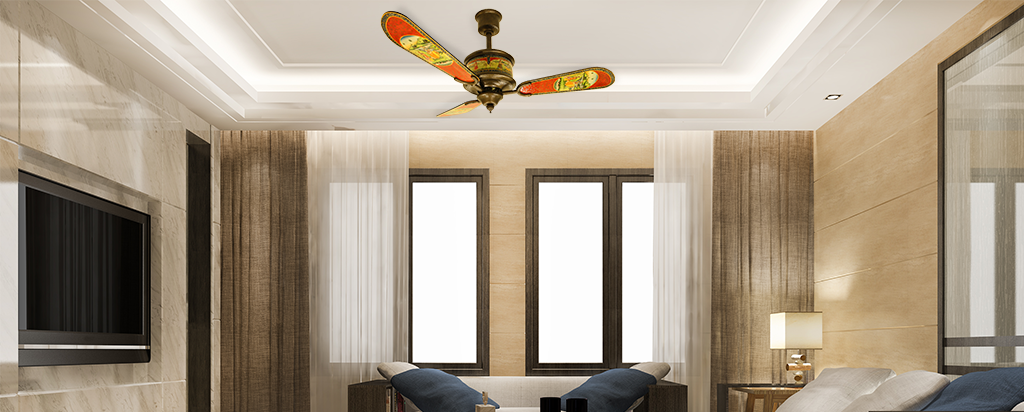
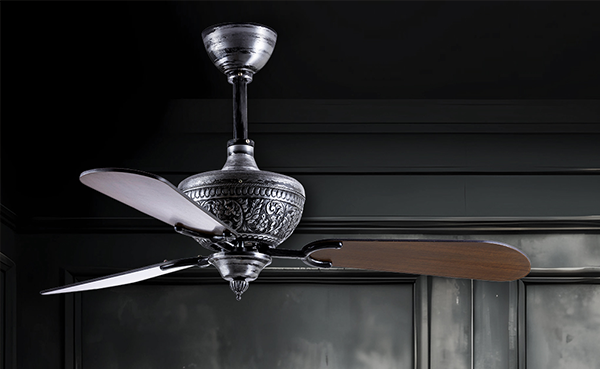
If your home has a premium interior, you’ll also find Luxury Ceiling Fans and Handcrafted Ceiling Fans that combine elegant finishes with energy-efficient BLDC technology.
Are Smart Features Worth Paying For?
That depends on how you use your home.
Remote controls, timers, app connectivity, and voice control can be genuinely useful, especially in larger rooms or homes with high ceilings.
However, don’t buy a smart fan simply because it has more features. Many people end up using only the on/off button and speed control.
The best feature is the one that makes your daily routine easier, not the one that looks impressive in a product brochure.
Should You Buy a Customised BLDC Ceiling Fan?
If your home has a carefully planned interior, it can be worth considering.
Many homeowners spend months selecting furniture, lighting, and wall colours, then settle for a fan that doesn’t match the room. It stands out—but not in a good way.
Customised Ceiling Fans let you choose finishes, colours, and designs that complement your décor while still offering the efficiency of BLDC technology.
Just don’t let appearance become the only deciding factor. Performance should always come first.
Final Thoughts
BLDC ceiling fans have become popular for good reasons. They use less electricity, run quietly, and often include features that make everyday use more convenient. Still, the right fan isn’t simply the one with the latest technology.
Think about how you use each room, how long the fan is likely to run every day, and whether the extra investment makes sense for your home. When you compare both the purchase price and the long-term running cost, a BLDC ceiling fan often proves to be a practical decision rather than an expensive upgrade.