Are Designer Ceiling Fans Worth the Investment? Here’s What You’re Really Paying For
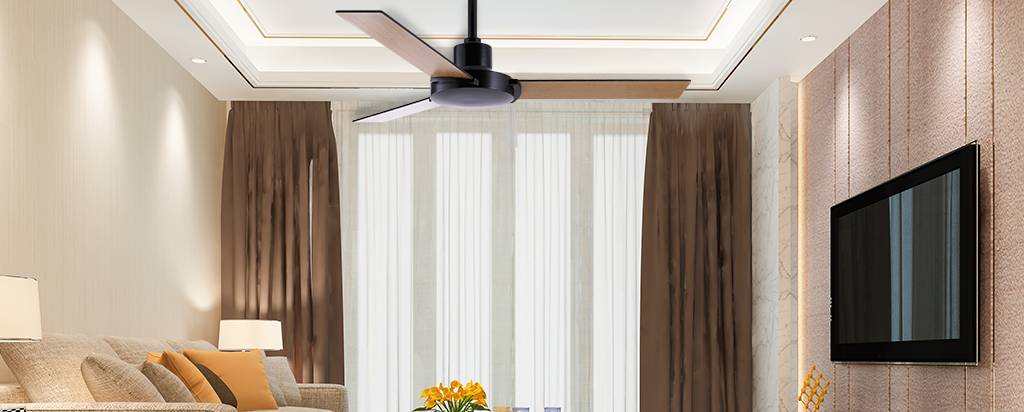
A ceiling fan is often treated as a utility—something that circulates air and disappears into the background. But in luxury homes and premium commercial spaces, that assumption no longer holds. Today, a ceiling fan has evolved into an architectural element that contributes to a room’s aesthetics, comfort, and overall value.
This shift has given rise to designer ceiling fans. Brands like The Fan Studio, Windmill, and Fanzart have transformed the category by creating products that combine engineering, craftsmanship, and interior design. The question, however, remains: Are designer ceiling fans really worth the investment?
The answer depends on one thing, whether you’re buying a fan as an appliance or investing in a space that is built to impress and perform.
A Designer Fan Is an Investment in the Space, Not Just the Ceiling
When people purchase luxury furniture, designer lighting, or premium flooring, they rarely question the cost because these elements define the character of the space. A designer ceiling fan serves the same purpose.
Unlike conventional fans that prioritize function alone, luxury fans are designed to complement the architecture and interior theme. They become part of the visual identity of a room rather than interrupting it.
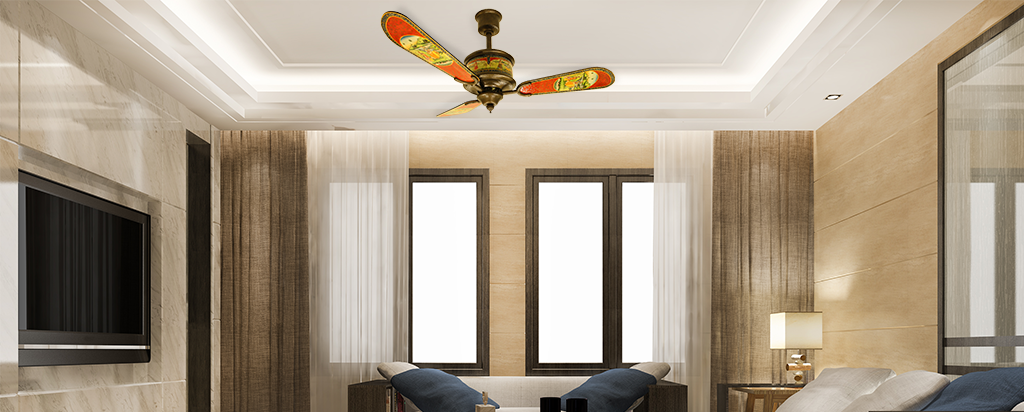
Whether it’s a modern penthouse, a heritage villa, a boutique hotel, or a luxury farmhouse, the fan becomes a design statement that enhances the entire environment.
The Difference Lies Beyond Appearance
Many assume designer fans are simply expensive because they look attractive. In reality, the price reflects several tangible factors.
Premium designer fans are often built using superior materials such as solid wood, aircraft-grade aluminium, high-quality ABS, or handcrafted finishes. Their motors are engineered for quieter operation, greater efficiency, and longer service life. Many feature BLDC technology that consumes significantly less electricity than conventional induction motors while delivering consistent airflow. They also integrate smart controls, remote operation, lighting options, and reversible airflow in select models. These features have become defining characteristics of luxury fan brands.
The difference, therefore, isn’t just aesthetic. It lies in engineering, durability, energy efficiency, and user experience.
Where Does a Luxury Ceiling Fan Make the Most Sense?
Not every project requires a designer ceiling fan. However, there are spaces where it delivers clear value.
Luxury Homes
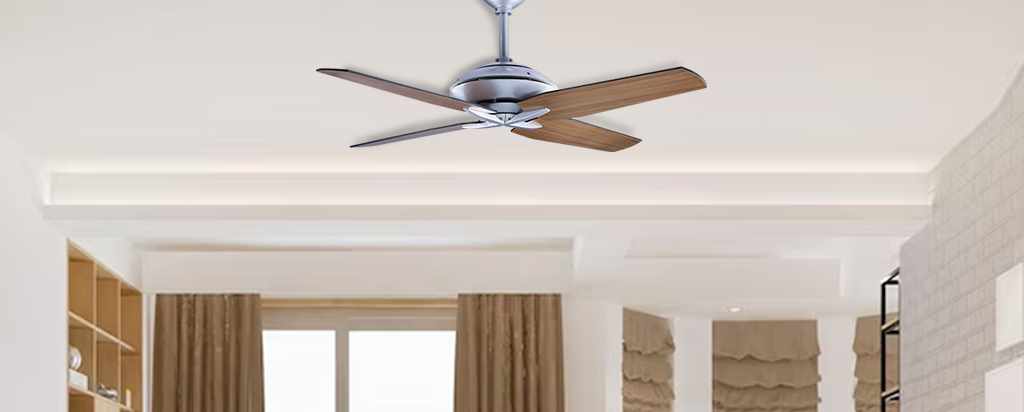
In premium residences, every design element is selected carefully—from furniture and lighting to wall finishes and décor. Installing a standard fan in an otherwise luxurious interior often creates a visual mismatch. A designer fan completes the design language without compromising comfort.
Villas and Farmhouses
Large spaces demand fans that provide effective air circulation while maintaining architectural harmony. Premium fans with larger blade spans and elegant finishes enhance spacious living areas, verandas, lounges, and double-height ceilings.
Hospitality Businesses
Hotels, resorts, cafés, restaurants, clubs, and boutique properties compete through customer experience. Guests remember beautiful spaces.
A carefully selected designer fan contributes to ambience, comfort, and visual identity. It helps create spaces that guests photograph, share on social media, and associate with premium hospitality.
In commercial environments, every design choice influences brand perception. Ceiling fans are no exception.
Luxury Commercial Interiors
Corporate lounges, experience centres, premium retail stores, wellness studios, and designer offices increasingly use luxury fans as part of their interior concept instead of treating them as hidden utilities.
What Are You Really Paying For?
The real value of a designer fan extends beyond its price tag.
You are investing in:
- Timeless aesthetics that complement premium interiors.
- Superior materials and refined craftsmanship.
- Silent operation for a more comfortable environment.
- Energy-efficient motors that reduce long-term electricity consumption.
- Better airflow engineered for larger and more sophisticated spaces.
- Smart controls and modern convenience.
- Long product life with durable construction.
- Higher perceived value of your property or commercial establishment.
Viewed over 15–20 years of usage, the cost difference between a standard fan and a premium designer fan becomes relatively small compared to the overall value it adds to the space.
Design Consistency Has Become a Luxury Standard
Interior designers no longer consider ceiling fans an afterthought.
Today’s luxury projects follow a unified design language where lighting fixtures, furniture, hardware, textures, and ceiling fans complement each other.
An elegant marble floor paired with designer furniture but finished with a generic fan creates visual inconsistency. Conversely, a thoughtfully designed ceiling fan completes the composition, making the space feel intentional and refined.
This is precisely why architects and interior designers increasingly specify designer fans during the planning stage rather than selecting them at the end of a project.
Choosing the Right Brand Matters
The luxury fan segment has expanded considerably over the past decade.
Brands like Fanzart introduced the idea of luxury designer fans to the Indian market, combining artistic designs with innovative engineering. Windmill focuses on contemporary aesthetics and modern architectural applications, while The Fan Studio continues to curate premium designer ceiling fans that blend functionality with sophisticated design for residential and commercial spaces. These brands demonstrate that a ceiling fan can be both a performance product and a design feature rather than merely a household appliance.
When selecting a luxury fan, don’t compare it solely on price. Evaluate airflow performance, motor technology, noise levels, material quality, warranty, after-sales support, and how well the design integrates with your interiors.
So, Are Designer Ceiling Fans Worth the Investment?
If your only objective is to circulate air at the lowest possible cost, a conventional fan will do the job.
But if you’re investing in a premium home, a luxury villa, a farmhouse, a hospitality property, or a thoughtfully designed commercial space, a designer ceiling fan becomes much more than an appliance. It enhances aesthetics, improves comfort, complements architecture, and contributes to the long-term value of the property.
Luxury is often defined by attention to detail. In well-designed spaces, every element matters, including what hangs from the ceiling.
A designer ceiling fan is not simply an upgrade in cooling. It is an investment in design, performance, and the experience your space creates for everyone who enters it.