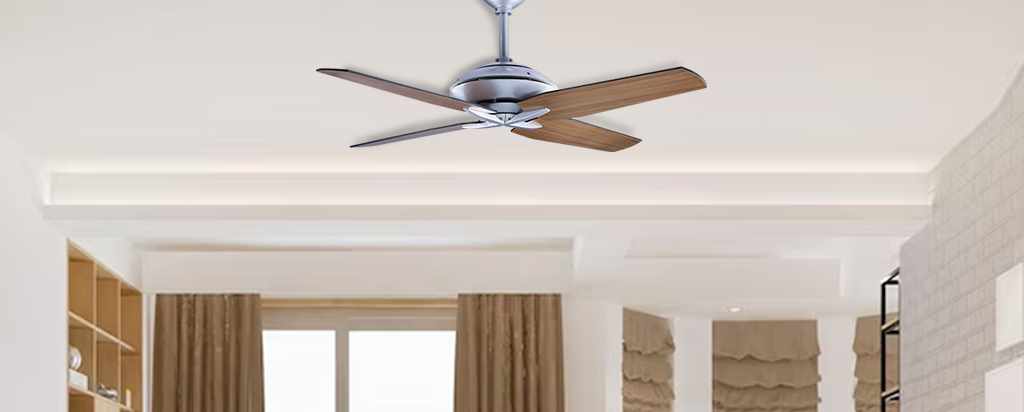
10 Things to Check Before Buying a Ceiling Fan
Buying a ceiling fan sounds easy until you start comparing the options. One fan promises better airflow, another looks more stylish, and a third claims to save electricity. Most buyers end up choosing the one that fits their budget or catches their eye. Months later, they realise the room still feels warm, the fan is noisier than expected, or it simply doesn’t suit the space.
The truth is, a good ceiling fan isn’t always the most expensive one. It’s the one that works well in your room and continues to do so for years. Before you make a decision, here are ten things worth checking.
1. Is the Fan the Right Size for Your Room?
This is where many people make their first mistake.
A fan that looks perfect in a showroom can feel completely different once it’s installed at home. If it’s too small, you’ll barely feel the breeze. If it’s too large for a compact room, the airflow can feel harsh instead of comfortable.
A simple way to avoid this is by measuring your room before you shop. The blade sweep should match the room size, not just your design preference. A living room usually needs a larger fan than a guest bedroom, even if both have similar interiors.
2. Don’t Judge a Fan by Its Looks Alone
A beautiful fan may become the centrepiece of your room, but appearance won’t matter much if it struggles to keep the room cool.
This is especially true for Designer Ceiling Fans. Some focus heavily on aesthetics, while others balance design with performance. The best choice is one that gives you both.
Before buying, ask about airflow, motor type, and power consumption. A stylish fan should also do the job it was made for.
3. Does a Bigger Motor Always Mean Better Cooling?
Not really. Many buyers assume that a higher wattage fan must perform better. In reality, motor efficiency matters more than power consumption.
Modern BLDC motors use much less electricity while delivering steady performance. They also tend to run more quietly, which makes a noticeable difference in bedrooms or home offices.
Instead of asking, “How powerful is this fan?” ask, “How efficiently does this motor use power?”
4. Are You Checking Airflow or Just Fan Speed?
Most product pages highlight speed, but speed alone doesn’t tell the whole story.
Think of it this way. A fan can spin very fast, but if the blades aren’t designed properly, it may still move less air than a slower, better-designed model.
Whenever possible, check the air delivery (CMM) rather than only the RPM. It’s a better indicator of how effectively the fan cools the room.
5. Will This Fan Still Look Good Five Years Later?
Trends change, but ceiling fans usually stay in a home for years.
That’s why it’s worth choosing a design that won’t feel outdated after your next paint job or furniture upgrade. Clean lines, neutral finishes, and timeless colours often age better than flashy designs.
Many homeowners now prefer Modern Ceiling Fans because they blend easily with different interior styles instead of matching just one trend.
6. What Are the Blades Made Of?
People rarely ask about blade material, yet it affects both durability and maintenance.
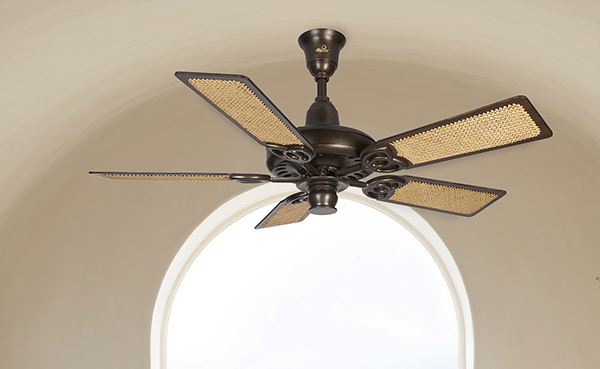
Plastic blades are lightweight and easy to clean. Metal blades are strong but may not suit every home because they can produce more noise. Wooden blades add warmth and character, especially in premium interiors.
If you’re considering Handcrafted Ceiling Fans, pay attention to the finish as well. Good craftsmanship isn’t just about appearance. Properly balanced blades also help reduce vibration and keep the fan running smoothly.
7. How Quiet Should a Ceiling Fan Be?
A ceiling fan is one of those appliances you stop noticing when it works well.
If you keep hearing a humming sound or feel constant vibrations, something isn’t right. Sometimes it’s poor installation, but cheaper motors and poorly balanced blades are often the real reason.
This is why reading customer reviews can be surprisingly useful. Buyers are quick to mention noise because it’s something they experience every day, not just during installation.
8. Does the Fan Match the Way You Live?
A family with young children may appreciate a remote-controlled fan. Someone with high ceilings may find app controls more practical than a wall switch.
Features should solve everyday problems, not simply look impressive in a brochure.
Many Luxury Ceiling Fans now include timers, memory settings, and smart controls. They’re useful if you’ll actually use them. Otherwise, paying extra doesn’t add much value.
9. Can You Get It Serviced Easily?
This is something buyers often think about only after something goes wrong.
Before choosing a brand, check whether service centres and spare parts are available in your city. A five-year warranty sounds reassuring, but it matters far less if repairs take weeks.
Reliable after-sales support usually says as much about a brand as the product itself.
10. Is a Customised Fan Worth the Extra Cost?
Sometimes, yes. If your home has a carefully planned interior, a standard fan may look out of place. Customised Ceiling Fans allow you to choose finishes, blade colours, lighting options, or even designs that suit your décor.
However, don’t customise a fan just to make it different. The best customisations improve both appearance and practicality. A fan should still be easy to maintain, simple to clean, and capable of delivering good airflow.
Final Thoughts
A ceiling fan isn’t something most people replace every year. That’s why buying one deserves a little more attention than simply comparing prices.
Start with the basics, room size, airflow, motor quality, and energy efficiency. Then look at design, noise levels, warranty, and features that genuinely fit your lifestyle. A fan that checks all these boxes may not always be the cheapest, but it’s far more likely to keep your home comfortable for years.
The best purchase isn’t the fan with the longest feature list. It’s the one you’ll never have to think about because it quietly does its job every single day.