How Architects & Interior Designers Can Specify Luxury Ceiling Fans for Projects
A beautifully designed space is rarely defined by one element alone. It is the combination of materials, lighting, furniture, textures and functional details that makes a space feel complete. Yet, one essential element often gets overlooked during interior planning: the ceiling fan.
For architects and interior designers working on luxury residences, boutique hotels, resorts and commercial spaces, a fan is more than a cooling appliance. It can complement the interior theme, enhance everyday comfort and bring the entire design together.
Choosing the right designer ceiling fans for interior designers is therefore an important part of project planning. From selecting the right size and finish to coordinating bulk requirements, a well-planned specification can make a noticeable difference to the final space.
Why Ceiling Fans Deserve a Place in the Design Plan
Ceiling fans are used every day, but their visual impact is often underestimated. A standard fan may serve its purpose, yet a carefully selected designer fan can become a natural extension of the interior.
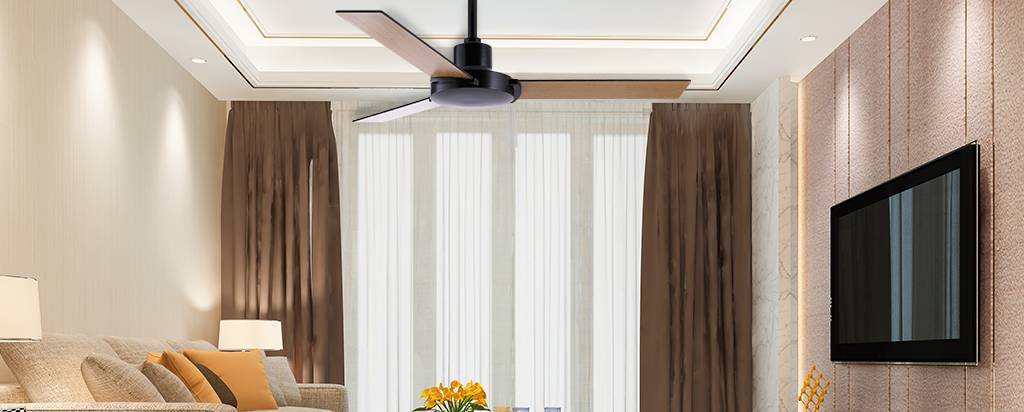
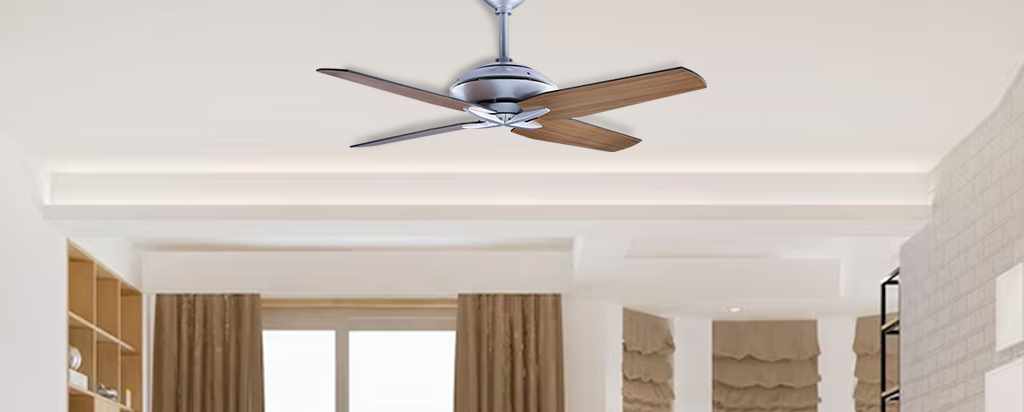
In a contemporary hotel, a minimal fan with clean lines may complement the architectural language. In a heritage resort, a handcrafted fan with traditional detailing can reinforce the property’s character. In a luxury villa, wooden blades and coordinated finishes can create a more cohesive look.
The objective is not to make every fan a statement piece. It is to ensure that each fixture belongs in the space.
This is where luxury ceiling fans for hotels, residences and hospitality projects offer architects and designers greater creative flexibility.
5 Factors to Consider When Specifying Luxury Ceiling Fans
1. Match the Fan to the Interior Concept
Begin with the overall design direction. Consider the furniture, flooring, ceiling treatment, lighting fixtures and architectural details before finalising the fan.
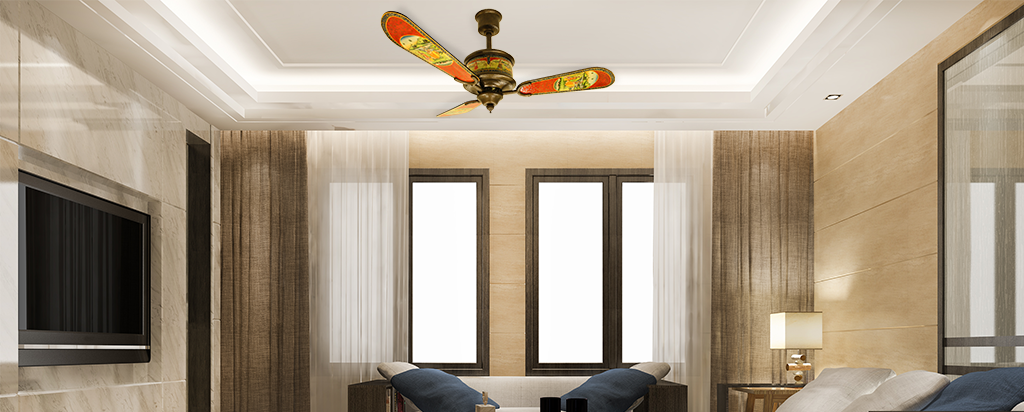
Modern interiors may call for understated silhouettes and contemporary finishes. Classical or colonial spaces may benefit from more decorative forms, while heritage properties can incorporate handcrafted details inspired by traditional Indian art.
Explore The Fan Studio’s designer fan collections to compare modern, classical, colonial and handcrafted options.
2. Get the Size and Ceiling Height Right
A fan should look proportionate to the room and deliver suitable air movement. An undersized fan may feel visually insignificant and provide inadequate circulation, while an oversized model may overwhelm a smaller room.
Check the room dimensions, ceiling height, mounting position and required clearance. For high ceilings, the appropriate downrod length is particularly important for positioning the fan effectively.
Include fan dimensions, mounting requirements and rod length in your ceiling fan specification guide so that the design and installation teams work from the same information.
3. Prioritise Airflow, Noise and Motor Performance
A visually appealing fan must perform well in everyday use. This is particularly important in hotel bedrooms, restaurants, lounges and other spaces where comfort and noise levels influence the experience.
Review the fan’s sweep, blade design, airflow specifications, motor type and operating noise. Also consider the project’s energy requirements, control preferences and expected usage.
For larger, open areas such as expansive lobbies or communal spaces, HVLS ceiling fans may be worth evaluating. HVLS stands for high-volume, low-speed. These fans are designed to move large volumes of air across broad spaces.
The final selection should always reflect the room’s dimensions, intended use and engineering requirements.
4. Explore Custom Finishes and Design Details
Not every project fits a standard catalogue. Architects and interior designers may need a particular wood tone, metallic finish, blade profile or decorative detail to maintain consistency across the design.
This is where custom ceiling fans for hotels and premium residential projects become valuable. Depending on the model, customisation may include blade finishes, motor housing colours, ceiling caps, hanging clamps and rod lengths.
For projects that call for distinctive craftsmanship, explore The Fan Studio’s Handcrafted Signature Fans Collection. Options such as the Pichwai Ceiling Fan demonstrate how traditional Indian artistry can become part of a functional interior element.
Customisation should be discussed early, particularly when finishes need approval or multiple rooms require a coordinated design.
5. Coordinate Procurement, Installation and Maintenance
A good specification must work beyond the design presentation. Before approving a fan, confirm availability, project quantities, lead times, finish consistency, installation requirements, warranty terms and after-sales support.
For multi-room developments, prepare a schedule listing the fan model, quantity, finish, room allocation, ceiling height and mounting details. This helps prevent substitutions and reduces the risk of inconsistencies during execution.
When evaluating bulk luxury ceiling fans in India, ask the supplier about project coordination, repeat-order availability, customisation capabilities and delivery schedules. Confirm these details directly rather than assuming every model or finish is available in every quantity or timeframe.
Choosing Fans for Different Project Types
Different spaces require different approaches to fan selection.
- Luxury hotels: Prioritise comfortable airflow, low operating noise, coordinated finishes and suitability for extended daily use.
- Resorts and villas: Consider natural materials, distinctive designs and finishes that complement the landscape and architectural style.
- Heritage properties: Explore handcrafted designs, traditional motifs and finishes that respect the building’s character.
- Restaurants and lounges: Balance visual appeal with effective air circulation, appropriate clearances and the needs of the space.
- Large common areas: Evaluate HVLS solutions where the room’s scale and engineering conditions make them appropriate.
For more inspiration, explore 10 Resort Styling Ideas to Create a Cool, Summer-Ready Ambience. These ideas can help inform the broader relationship between cooling, comfort and hospitality design.
Why Work with a Specialist Designer Fan Partner?
When a project involves multiple rooms, custom finishes or a distinct design brief, working with a specialist supplier can simplify the selection process.
The Fan Studio offers designer fans across modern, classical, colonial, handcrafted and HVLS categories, with customisation options for selected models. Its portfolio includes hospitality and premium property projects, providing architects and designers with references for different design directions.
You can explore The Fan Studio’s client portfolio to see projects and installations, or learn more about its design and manufacturing approach.
For professionals seeking a longer-term supplier relationship, the Partner with Us page is a useful starting point for discussing collaboration and project requirements.
A Practical Ceiling Fan Specification Checklist
Before finalising your selection, check that the following details are covered:
- Room dimensions and ceiling height
- Fan sweep, mounting position and required clearances
- Airflow and motor specifications
- Finish, blade material and design approval
- Rod length and installation requirements
- Remote control or automation compatibility
- Quantity, delivery schedule and project budget
- Warranty, maintenance and after-sales support
This simple checklist helps align the design intent with procurement, electrical planning and on-site execution.
Make Every Ceiling Detail Count
The right ceiling fan does more than move air. It contributes to the visual balance, comfort and character of a thoughtfully designed space.
For architects and interior designers, the key is to consider fan selection early, assess performance alongside aesthetics and work with suppliers who can accommodate the project’s technical and design requirements.
Whether you are planning a boutique resort, a luxury hotel or a premium residence, designer ceiling fans for interior designers can help bridge the gap between functionality and design.
Explore The Fan Studio’s collections or contact the team to discuss suitable options for your next project.