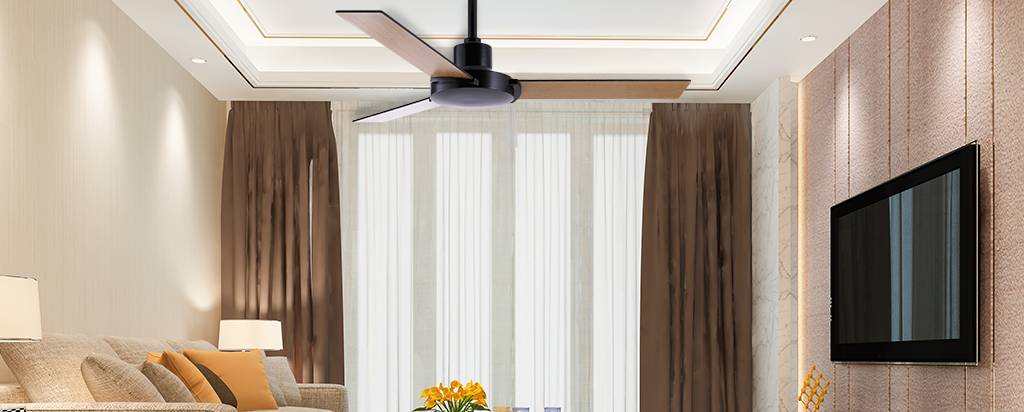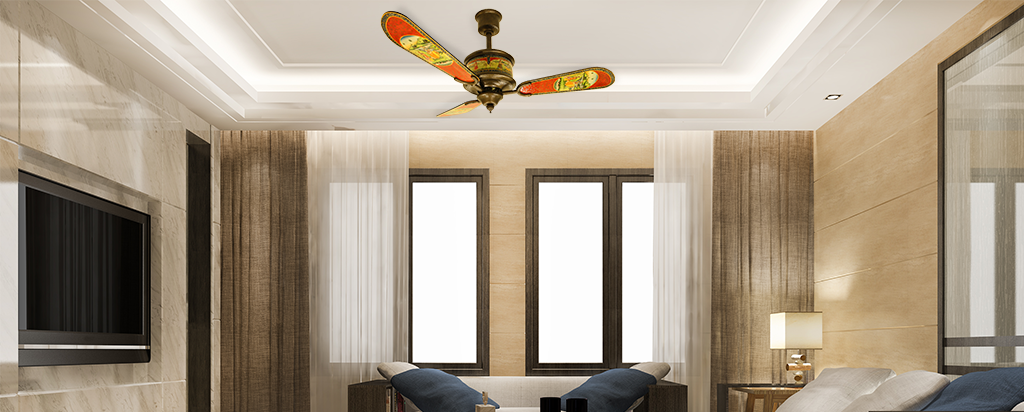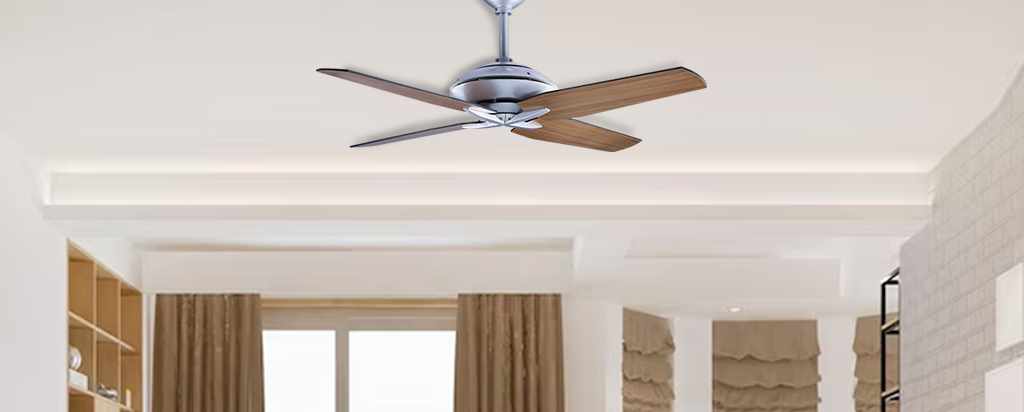
When you walk into a beautifully designed villa, penthouse, boutique hotel, or heritage home, you’ll often notice something interesting that will catch your eye!
The flooring has been chosen with care, and the lighting creates the perfect ambience. The furniture reflects the personality of the space, and every texture, finish, and material feels intentional. These kinds of random thoughts will run through your mind.
And then when you look up, you expect something incredibly unique to witness with comfort, but a standard ceiling fan hangs right in the centre of the room.
There is nothing wrong with it functionally; it works well, but it only works well! It cools the room, serves its purpose, and blends into the background. Yet somehow, it feels disconnected from everything else around it; it feels different from other elements in the house!
For architects, interior designers, and discerning homeowners, this is a challenge that surfaces more often than people realise. A ceiling fan is placed in one of the most visible positions in a room, but it is frequently treated as a utility product rather than a design element; people just take it for granted. That mindset is finally changing, and today, designer ceiling fans are becoming an integral part of luxury interiors, helping transform ceilings from overlooked spaces into focal points that complete the overall design story.
Why Designer Ceiling Fans Matter More Than Ever
Luxury interiors are no longer defined by expensive materials alone. What truly distinguishes a thoughtfully designed space is attention to detail.
Every element contributes to the experience of the room.
The fan is no exception.
In many premium homes, hotels, and commercial spaces, the ceiling fan is no longer selected solely for airflow. It is chosen because it can:
- Complement the interior design language
- Reflect the character of the property
- Enhance architectural features
- Introduce craftsmanship and artistry
- Create a sense of visual balance
When chosen correctly, a designer fan doesn’t simply occupy space. It belongs there.
What Should You Look for in a Designer Ceiling Fan?
Choosing a designer fan isn’t only about selecting or choosing the most expensive option available in the market. It’s about finding a piece that feels naturally integrated into the environment and, most importantly, that you love at first glance.
Here are five factors that matter most.
1. Design Compatibility
A fan should feel like an extension of the room rather than an afterthought.
A sleek modern residence may call for clean lines and minimalist aesthetics. A heritage-inspired home may benefit from handcrafted detailing rooted in traditional Indian art. Colonial interiors often pair beautifully with vintage-inspired finishes and timeless silhouettes.
The goal is not to make the fan stand out unnecessarily. The goal is to make it feel as though it was always meant to be part of the design.
2. Materials and Finishes
One of the biggest limitations of mass-produced fans is the lack of finish options.
In premium projects, details matter.
Architects and interior designers often seek finishes that complement:
- Natural wood elements
- Brass and antique metals
- Stone textures
- Custom colour palettes
- Handcrafted decorative features
A well-chosen finish can help a fan blend seamlessly into its surroundings while reinforcing the overall design narrative.
3. Customisation Flexibility
No two luxury projects are identical.
A boutique resort in Rajasthan has very different design requirements from a contemporary villa in Bengaluru or a heritage restoration project in Mumbai.
This is where customisation becomes valuable.
Many architects and designers look for options such as:
- Custom dimensions
- Bespoke finishes
- Artistic detailing
- Project-specific themes
- Tailored material combinations
Customisation allows the fan to respond to the space rather than forcing the space to adapt to a standard product.
4. Craftsmanship
Luxury is often found in details that are not immediately obvious.
The precision of a finish. The quality of a material. The skill behind handcrafted artwork.
A designer fan should combine engineering excellence with artisanal craftsmanship.
Across India, traditional art forms continue to inspire modern design. When these artistic influences are thoughtfully incorporated into functional products, the result is something far more meaningful than a decorative object.
It becomes a piece with character.
5. Long-Term Value
Trends come and go.
Good design endures.
The best designer fans are not selected because they are fashionable today. They are selected because they will continue to feel relevant years from now.
Durable materials, timeless aesthetics, and quality construction help ensure that a fan remains an asset to the space rather than something that eventually needs replacing.
Why Architects and Interior Designers Prefer Custom-Made Fans
Ask an architect what makes a project successful, and the answer is rarely about a single feature.
Success comes from cohesion.
Every element should contribute to a unified experience.
This is why many architects and interior designers increasingly choose custom-made fans for luxury projects.
A standard fan may perform well, but it often limits creative possibilities.
Custom-made fans allow designers to specify:
- Dimensions suited to the room
- Unique finishes
- Material combinations
- Artistic influences
- Design themes aligned with the project
This level of flexibility helps preserve the original design vision from concept to completion.
The Rising Appeal of Indian Handcrafted Design
There is a growing appreciation for products that combine modern functionality with authentic craftsmanship.
Rather than filling luxury spaces with generic products sourced from anywhere in the world, many homeowners are actively seeking pieces with a stronger sense of identity.
Handcrafted designer fans offer exactly that.
They bring together:
- Traditional Indian artistry
- Contemporary engineering
- Personalization
- Timeless design
The result is a product that serves a practical purpose while also celebrating craftsmanship and culture.
Where Art Meets Function: The Fan Studio
At The Fan Studio, the belief is simple: a ceiling fan should do more than circulate air.
It should contribute to the character of the space.
Since 1999, The Fan Studio has been creating custom-made designer fans that combine craftsmanship, customisation, and performance.
From modern and minimalist designs to classical, colonial, and handcrafted signature collections, every fan is created with the understanding that great interiors are built through thoughtful details.
With extensive customisation options, multiple wood and metal finishes, and a commitment to Indian craftsmanship, The Fan Studio works closely with homeowners, architects, interior designers, hotels, resorts, and luxury projects across India and beyond.
Final Thoughts
A luxury interior is rarely defined by a single statement piece.
More often, it is the result of hundreds of carefully considered decisions working together.
The ceiling fan may seem like a small detail in that process, but because it occupies such a prominent position, its impact on the overall aesthetic can be significant.
When selected thoughtfully, a designer fan becomes more than a functional appliance. It becomes part of the architecture, part of the story, and part of the experience of the space itself.
For those seeking handcrafted, customizable, and design-led ceiling fans, The Fan Studio offers a uniquely Indian approach to blending artistry with everyday living.