Walk into any beautifully designed modern home and you’ll notice a common theme—clean lines, thoughtful details, and a strong sense of visual harmony. From furniture and lighting to flooring and wall finishes, every element contributes to the overall aesthetic. But what about ceiling fans? Does a modern interior automatically require a modern ceiling fan?
The short answer is no.
A modern interior does not strictly require a modern ceiling fan. However, the fan should align with the design language of the space. The goal is not to follow a rule but to create a cohesive environment where every element feels intentional.
The Purpose of a Ceiling Fan Has Evolved
Traditionally, ceiling fans were chosen almost entirely for their functionality. If they circulated air effectively, they did their job. Design often came second.
Today, the situation is different. Ceiling fans are no longer viewed as purely functional appliances. They have become a visible part of interior design, much like pendant lights, statement chairs, or decorative hardware.
Since ceiling fans occupy a prominent position in a room, they naturally attract attention. As a result, their design can either enhance a space or disrupt its visual balance.
Why Matching Matters More Than Following Trends
Many homeowners assume that a modern room must contain only modern elements. In reality, great interiors are often built through thoughtful combinations of styles.
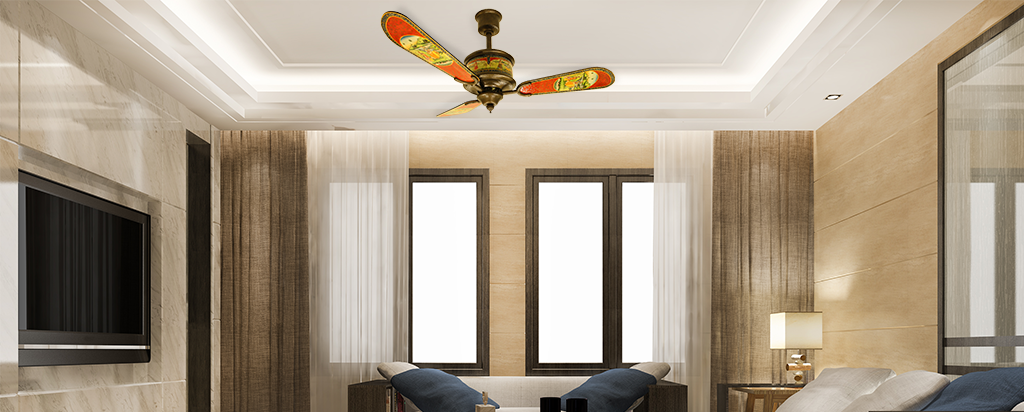
A contemporary living room may feature vintage artwork. A minimalist bedroom may include handcrafted wooden furniture. Likewise, a modern interior can successfully incorporate a fan with traditional influences—provided it feels intentional.
The key question isn’t whether the fan is modern.
The real question is: Does it belong in the space?
When a ceiling fan complements the room’s colours, materials, proportions, and overall mood, it contributes to a more refined and harmonious interior.
When a Modern Ceiling Fan Makes Sense
There are situations where a modern ceiling fan is the natural choice.
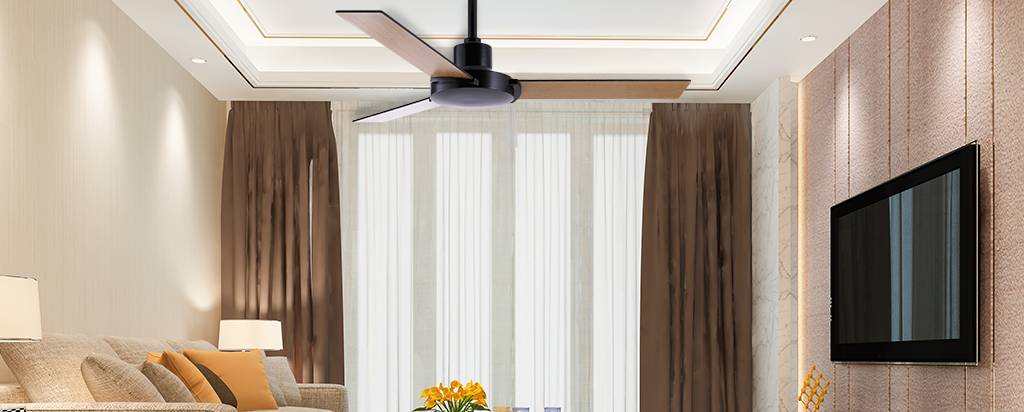
Minimalist interiors, contemporary apartments, urban homes, and modern villas often benefit from fans that feature sleek silhouettes, clean finishes, and understated detailing.
These designs support the visual simplicity that modern interiors aim to achieve. Bulky decorative elements or overly ornate fan designs can sometimes feel out of place in such settings.
Modern fans also tend to offer features that align with contemporary lifestyles, including remote controls, smart integrations, energy-efficient motors, and quieter performance.
In these spaces, a modern ceiling fan can feel like a seamless extension of the overall design.
When Other Fan Styles Work Just As Well
Not every modern interior is strictly minimalist.
Many homeowners prefer interiors that blend contemporary design with warmth and character. Natural wood finishes, textured materials, earthy palettes, and handcrafted details are increasingly common in modern homes.
In these environments, a fan with subtle traditional or organic influences may actually create a stronger visual connection than an ultra-minimal design.
For example, wood-inspired blades can soften a contemporary living room. A fan with elegant curves may complement a modern space more effectively than one defined by sharp geometric lines.
The objective is balance, not strict stylistic conformity.
The Importance of Scale and Proportion
Design compatibility goes beyond style alone.
A fan can have a beautiful design yet still feel wrong if its size doesn’t suit the room.
An oversized fan may dominate a compact space, while a small fan can appear insignificant in a large open-plan living area. Similarly, ceiling height influences how a fan is perceived and how effectively it performs.
Choosing the correct scale ensures that the fan feels integrated rather than intrusive.
This principle applies regardless of whether the fan is modern, transitional, or classic in style.
Material and Finish Matter
One of the easiest ways to connect a ceiling fan to an interior is through materials and finishes.
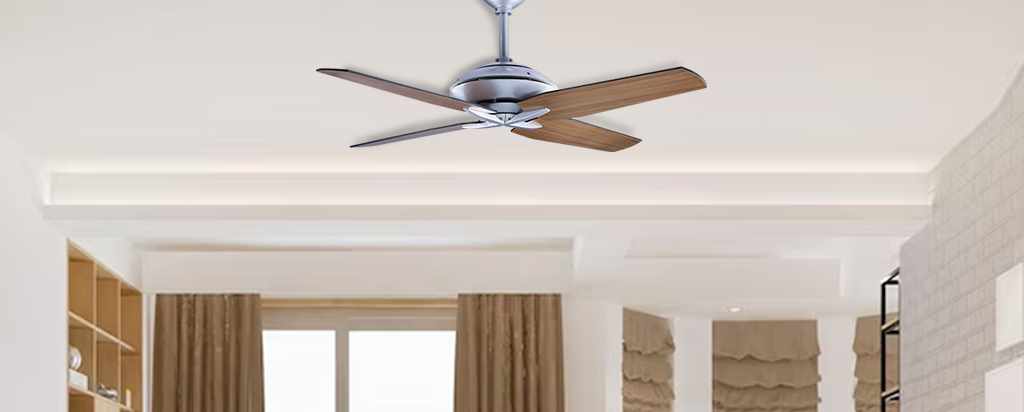
A matte black fan can reinforce a modern industrial aesthetic. Brushed metallic finishes can complement contemporary lighting fixtures. Natural wood tones can introduce warmth into minimalist spaces.
When finishes are thoughtfully coordinated, the fan feels like a deliberate design choice rather than an afterthought.
Even a relatively simple fan can make a significant impact when its materials relate to the broader palette of the room.
Functionality Should Never Be Ignored
While aesthetics are important, a ceiling fan remains a performance product.
Airflow, energy efficiency, motor quality, and operational noise all influence everyday comfort. A fan that looks exceptional but performs poorly ultimately falls short of its purpose.
The ideal choice balances both form and function.
A well-designed ceiling fan should enhance the visual appeal of a space while delivering reliable comfort throughout the year.
The Modern Approach: Design with Intention
The most successful interiors are rarely created by following rigid rules. Instead, they emerge from thoughtful decisions that consider both beauty and practicality.
This same philosophy applies to ceiling fans.
A modern interior does not demand a modern ceiling fan simply for the sake of consistency. What it requires is a fan that feels appropriate for the space—one that complements the architecture, supports the design vision, and performs effectively.
Whether the chosen fan is minimalist, contemporary, organic, or inspired by timeless craftsmanship, its role is the same: to contribute to a cohesive and comfortable environment.
Final Thoughts
So, does a modern interior require a modern ceiling fan?
Not necessarily.
What matters most is design harmony. A ceiling fan should work with the space rather than compete against it. When style, scale, materials, and functionality come together, the result is an interior that feels complete and thoughtfully designed.
In the end, the best ceiling fan isn’t simply the most modern one—it’s the one that belongs in the room.